‘Dailiness: Essays on Poetry’ by Mark Jarman: A Devotional Poetic Voice

by Meryl Natchez
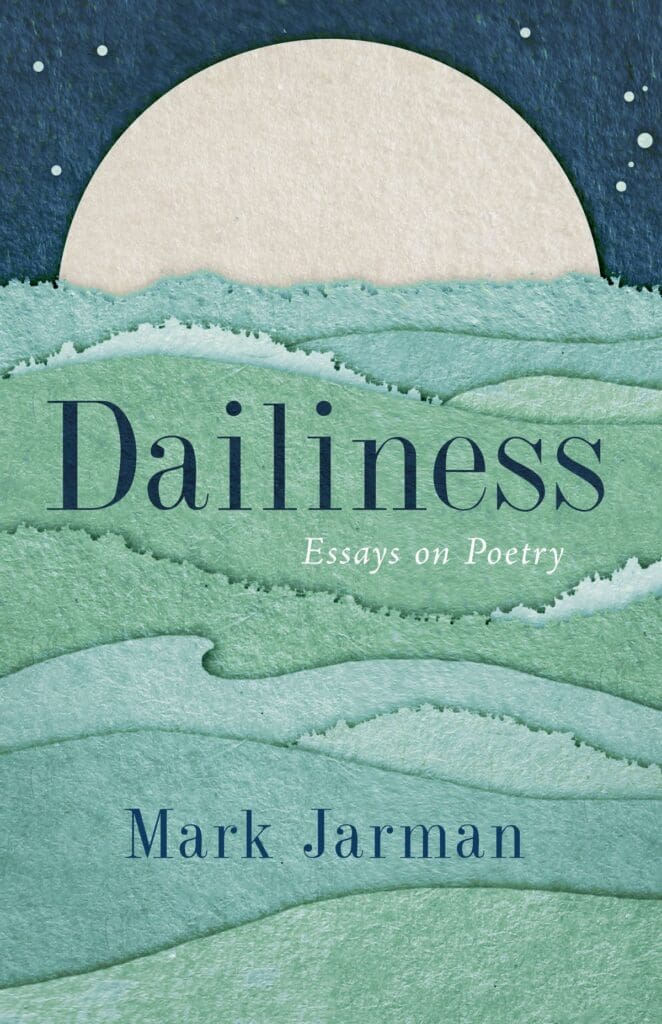
Amidst the clamor of poetic voices, reading Mark Jarman’s Dailiness: Essays on Poetry (Paul Dry Press; 177 pages) has been a deep pleasure. These essays display a profound, thoughtful, rigorous attention to poetry, especially its roots and formal structure. Jarman is a formal poet, and his explication of Donne, Herbert, and Hopkins, as well as contemporary poets you might not expect (Michelle Boisseau, Rita Dove, Brenda Hillman, and Sophia Stid, for example) is insightful and rewarding to read. The premise of the book is that life and work consist of daily showing up. This theme pervades the essays—poetry as daily […]

Continue Reading

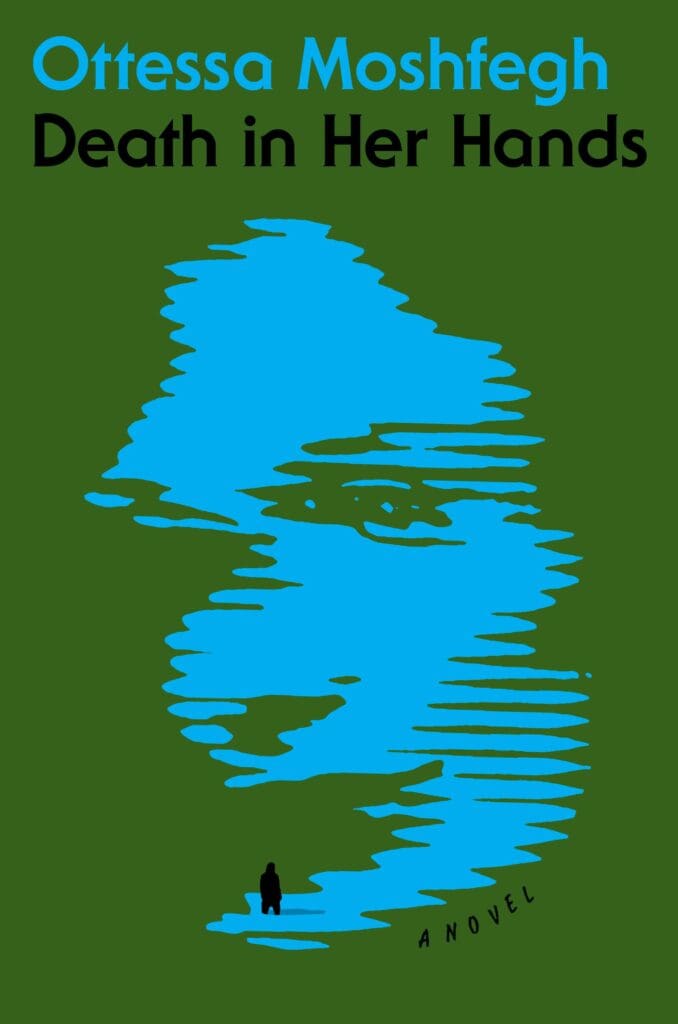
‘Death in Her Hands’ by Ottessa Moshfegh: A Dark Antidote

by Zack Ravas

Under normal circumstances, the literary world would likely be abuzz over Death in Her Hands (259 pages; Penguin Press), the latest novel by Ottessa Moshfegh, one of the few writers of her generation who could be said to have “made it”—if we want to define that as a certain level of name recognition, lengthy book tours with celebrity moderators, and, more importantly, a style that is decidedly her own. Pick up a book by Moshfegh and you might have some idea of what to expect: unreliable-verging-on-unlikable female narrators, a smattering of gross-out details regarding characters’ bodily functions, and a tone […]

Continue Reading

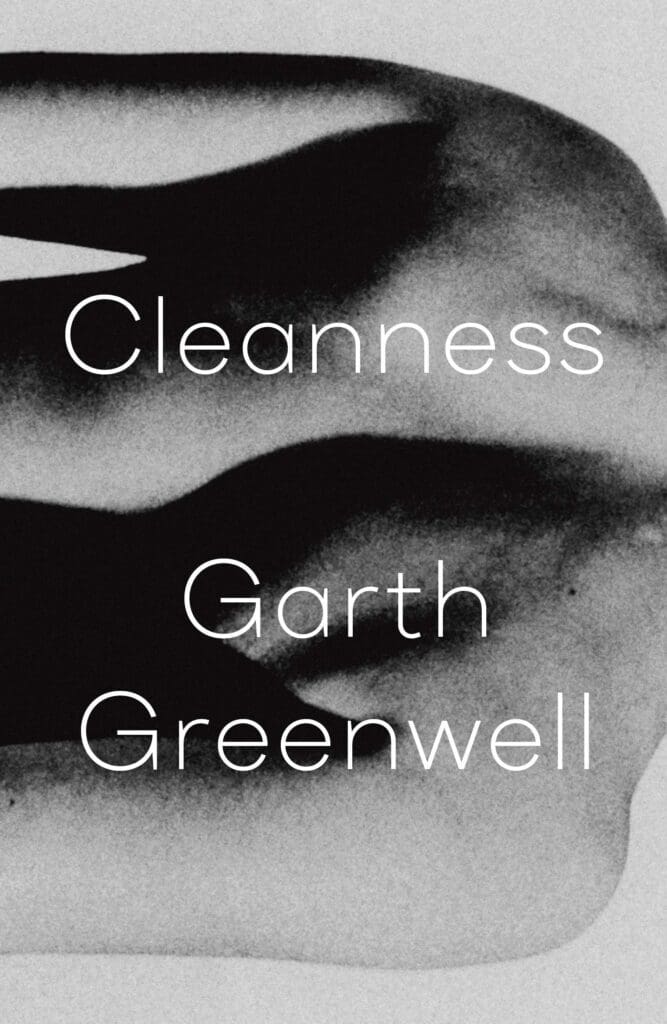
Q&A with Garth Greenwell: ‘Cleanness’ and Finding Beauty on the Margins

by Chia-Chia Lin

Garth Greenwell’s celebrated new book, Cleanness (FSG; 240 pages), which follows a gay teacher searching for intimacy and purpose in Bulgaria, is both quiet and explosive. Wherever Greenwell’s attention lands—a hushed conversation, a sexual encounter, a political protest—there’s heat and urgency and a concentrated, almost unbearable feeling of aliveness. Much has been said about the sex scenes in Cleanness; Sheila Heti wrote, “Most American literature seems neutered by comparison.” And it’s true, where so many writers fail or grasp for clichés or simply give up and elide the act of sex, Greenwell zooms in and stays. And stays and stays. […]

Continue Reading

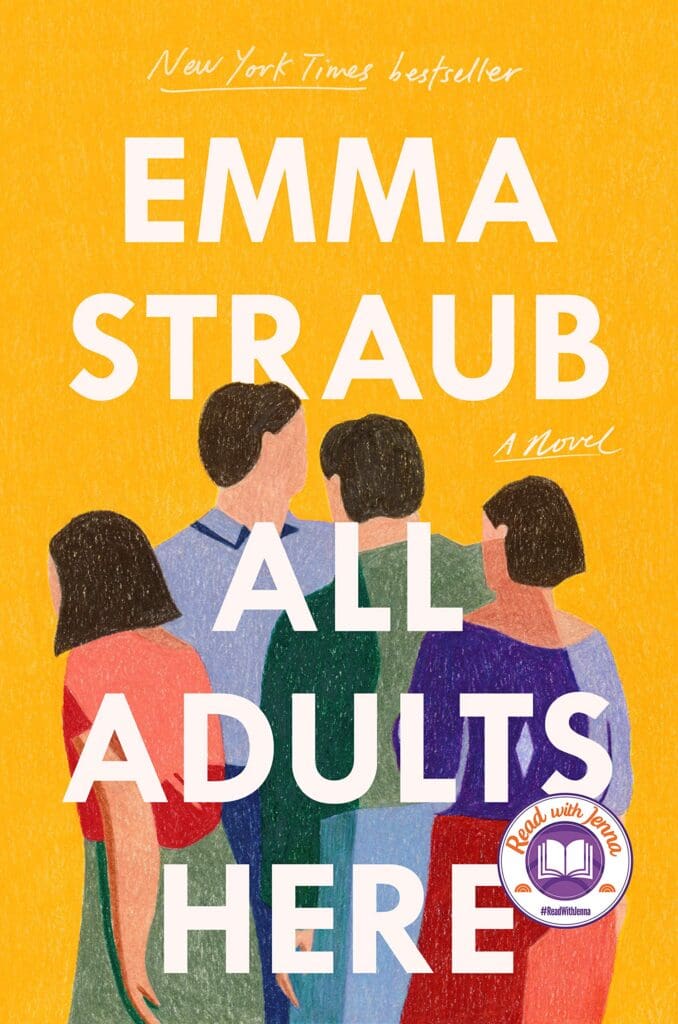
‘All Adults Here’ by Emma Straub: The Politics of Respectability

by Cade Johnson

Emma Straub’s delightful third novel, All Adults Here (368 pages; Riverhead Books), takes place in Clapham, a fictional Hudson Valley town. It’s a small, white, and affluent community that is both a getaway for New Yorkers and a reservoir for elite Brooklynite culture. A roundabout sits in the center of town (a commercial hotspot where an obtrusive, geometric, and vacant building houses a threat: the possibility of a chain store opening in Clapham). Residents circle through downtown like clockwork until one day a school bus kills longtime resident Barbara Baker right before matriarch Astrid Strick’s eyes, sending atriggering repressed memory […]

Continue Reading

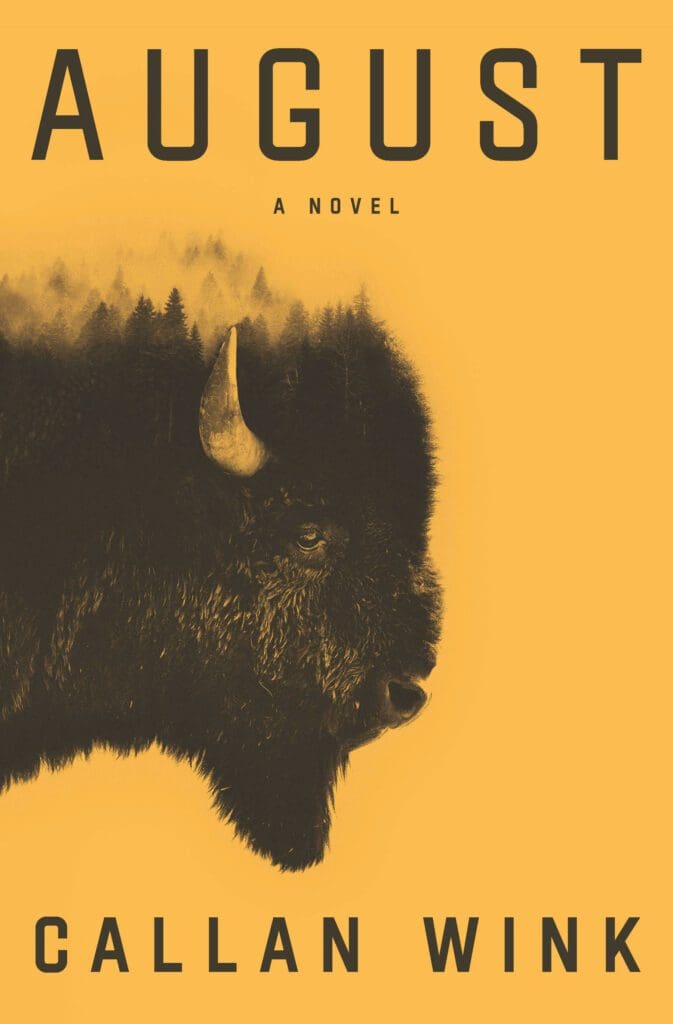
‘August’ by Callan Wink: The Struggle of Youth

by Jesse Bedayn

August (304 pages; Random House), Callan Wink’s first novel and second book following his story collection, Dog Run Moon, opens on a collection of cat tails chopped from tabby corpses in a Michigan barn. The 12-year-old boy responsible for this violence, the titular August, is paid per tail, proof he’s killed a feral cat. And so Wink launches us into a turbulent coming-of-age story punctuated by donuts performed drunk outside a Hutterite colony and the pregnant pauses on the phone between the protagonist and his emotionally distant father. While August’s inner turmoil is often opaque, the novel offers an uncannily sympathetic […]

Continue Reading

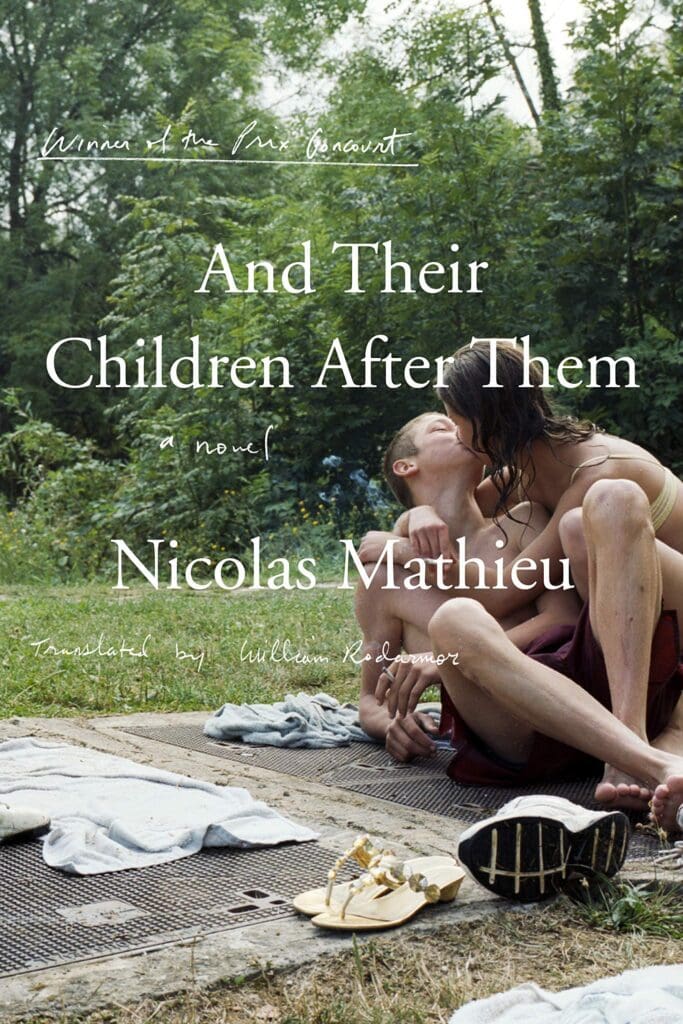
‘And Their Children After Them’ by Nicolas Mathieu: A Disaffected Life

by CJ Green

Recounting four summers in the life of a teenager, Nicolas Mathieu’s new novel, And Their Children After Them (420 pages; Other Press; translated by William Rodarmor), is a testament to what words can do at their leanest. The opening reads as check list: “Anthony had just turned fourteen…His parents were jerks. When school started he would be in ninth grade.” When Anthony and his cousin (never named) are “bored out of their skulls,” they paddle over to a nude beach where they find not nudists, but peers, girls their own age—and yes, out of their league. The novel proceeds in […]

Continue Reading

Cathedral: Some Marginalia on Reading

by Paisley Rekdal

“It’s okay to be white,” reads the sign posted in November by the Social Work building on the University of Utah campus where I teach. White poster, fine black letters in Arial font. The sign disappears in a day, though photos are taken, passed via social media. Two posters with the slogan “Stop the Rapes, Stop the Crime, Stop the Murder, Stop the Blacks” are then taped up, each with a web address for the manifesto “Blood and Soil” written by Vanguard America. These, too, are torn down. Someone spray-paints racist epithets on a campus construction site. This is not […]

Continue Reading

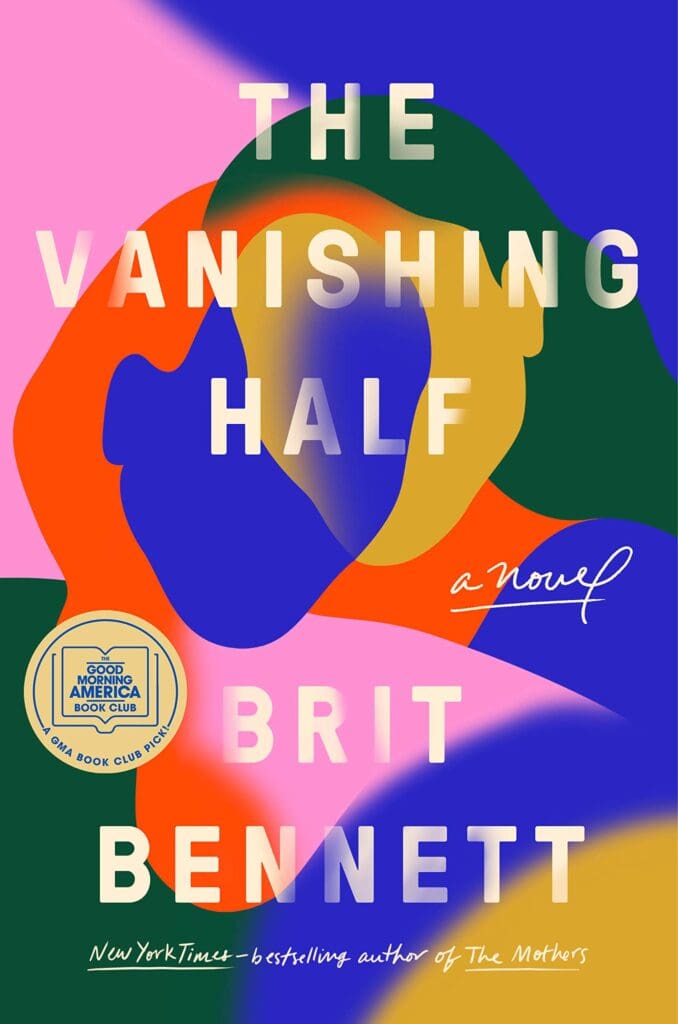
‘The Vanishing Half’ by Brit Bennett: A Lonely Gift

by Cade Johnson

Brit Bennett’s second novel, The Vanishing Half (352 pages; Riverhead Books), is an enthralling addition to the literature of passing: novels about taking on an alternative racial identity that often explore the concept of race as performance. The Vanishing Half is powered by its reflections on deception, motherhood, and love, and where they intersect. Whereas other novels about passing, such as James Weldon Johnson’s 1912 novel, The Autobiography of an Ex-Colored Man, focus on the arbitrariness of racial constructs, Bennett’s novel studies the self-inflicted psychological and social repercussions of passing and the alienation of self. Beginning in the 1960s, the […]

Continue Reading

ZYZZYVA Staff Recommends June 2020: What to Read, Watch, & Listen to

by ZYZZYVA Staff

The month of June has been one of the most tumultuous months of 2020—and that’s saying something. You’ll find some of the Staff Recommends in this installment touch on some relevant themes, including a seminal film from Spike Lee. We also have some lighter fare on the docket for those who might be searching for momentary escapism. So without further ado: Cade Johnson, Intern: I recently watched Spike Lee’s Do the Right Thing after a friend recommended it to me. I had heard about this film on one other occasion from an episode of a New York Times podcast, “Still […]

Continue Reading

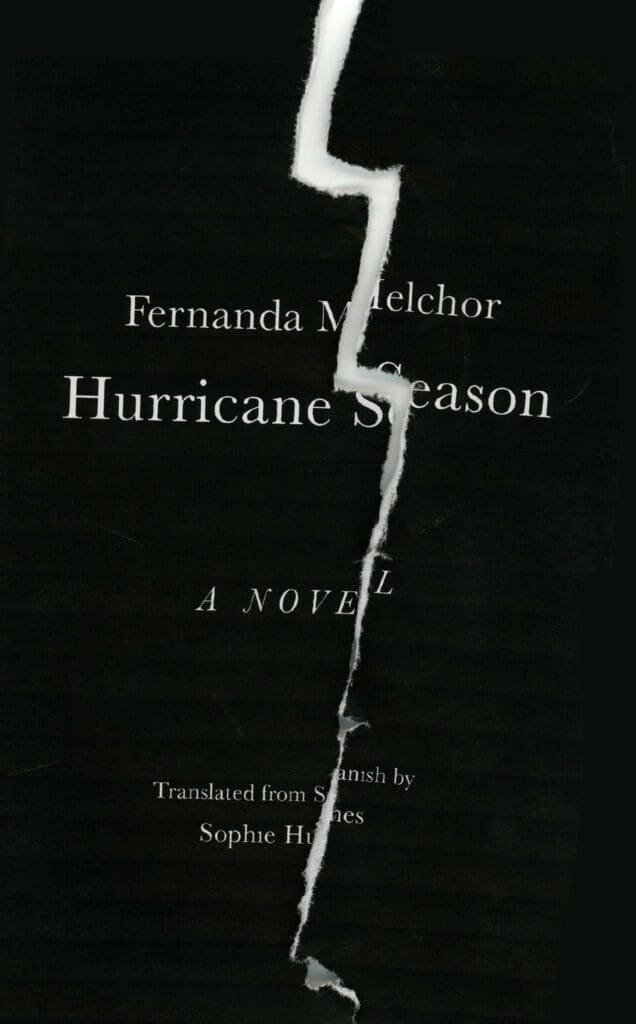
‘Hurricane Season’ by Fernanda Melchor: Taboo of the Witch

by CJ Green

More than once did I consider abandoning Hurricane Season (224 pages; New Directions; translated by Sophia Hughes), Fernanda Melchor’s first novel. Sentences are pages long, and the ones that are not are often fragments. Many times I lost my place. I could barely see through the imagery, which is torrential yet constantly vivid. Even so, I turned its final page after only a few sittings. The story begins with a body. The Witch, she is called. Discovered by five boys wading through a canal, she lies floating beneath a “myriad of black snakes, smiling.” From there the next seven chapters […]

Continue Reading

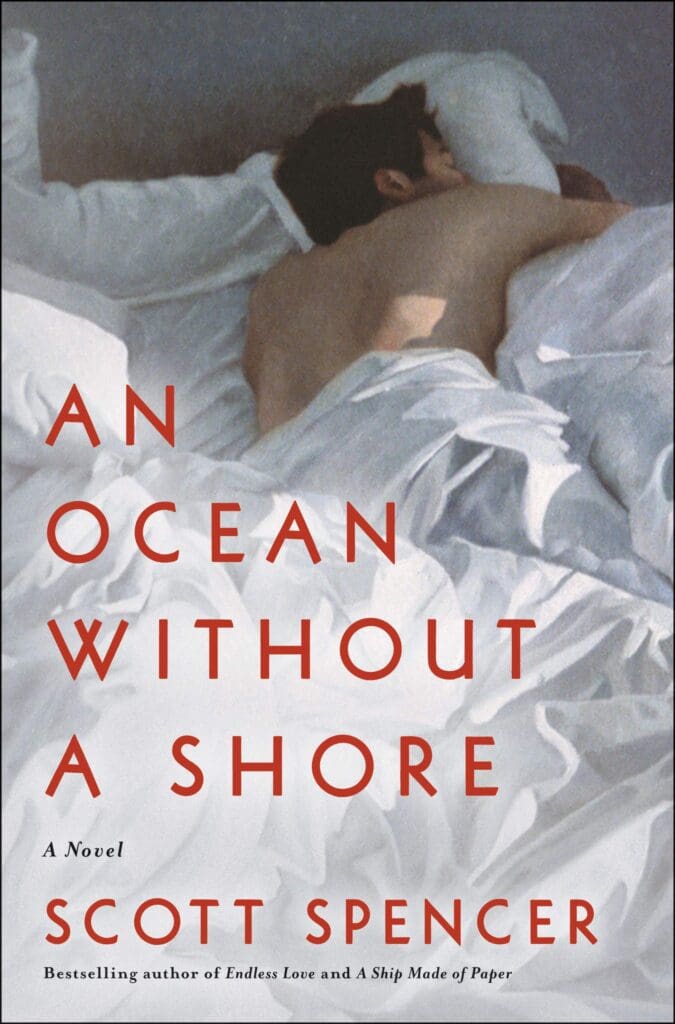
Love, Longing, and Loss: Scott Spencer’s Journey to the Far Shores of Emotion

by Paul Wilner

Reading Scott Spencer’s work is an adventure in negative capability—an opportunity to fall, or dive, into a deeper world beyond good and evil, reason and faith, will and fate. The love, and acceptance he feels for his characters is endless, though not without a deep understanding of the many flaws— narcissism, inconstancy, faithlessness, greed—that flesh is heir to. His latest novel, An Ocean Without A Shore (341 pages; Ecco Press), is a sequel of sorts to River Under the Road (2017), which took a hard look at the multiple misfortunes of Thaddeus Kaufman, a struggling novelist and screenwriter manqué, living […]

Continue Reading

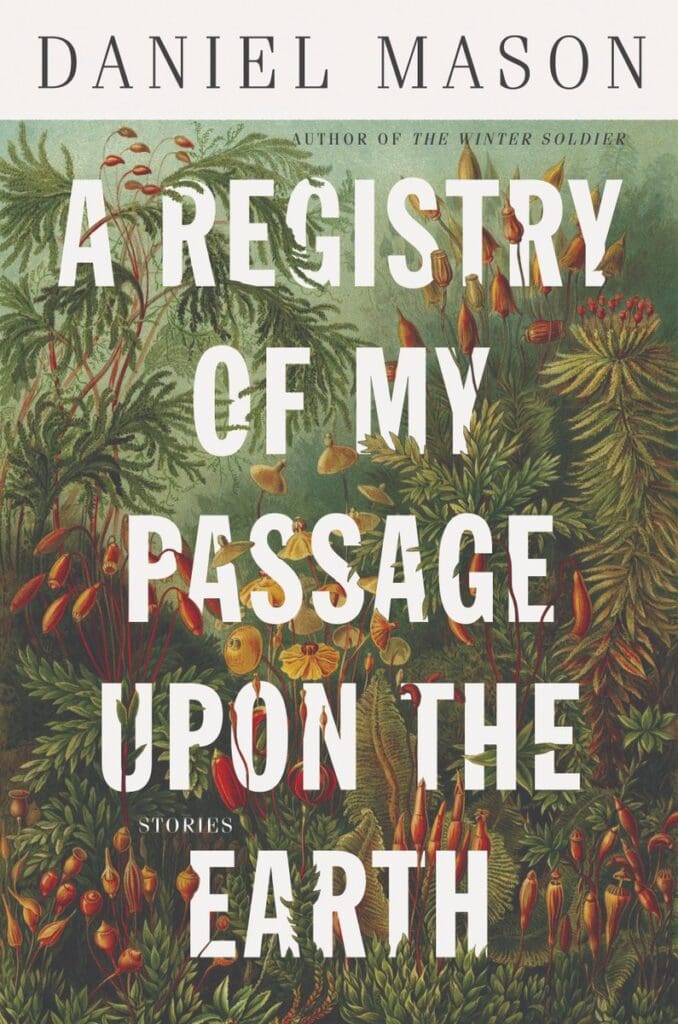
Q&A with Daniel Mason: Diagnosis and Distillation

by Regan McMahon

After publishing three novels, The Piano Tuner (2002), A Far Country (2005), and The Winter Soldier (2018), Bay Area author Daniel Mason released his first collection of short fiction in May, A Registry of My Passage Upon the Earth (240 pages; Little, Brown). As he does in his longer works, he takes us into the minds and hearts of complex, nuanced characters and places them in intricately described settings, often in the natural word, detailed with the depth and precision of a botanist or anthropologist. He is, in fact, a man of science—by day he’s a clinical assistant professor in […]

Continue Reading