‘In the Event of Contact’ by Ethel Rohan: The Law of Life

by Oriana Christ
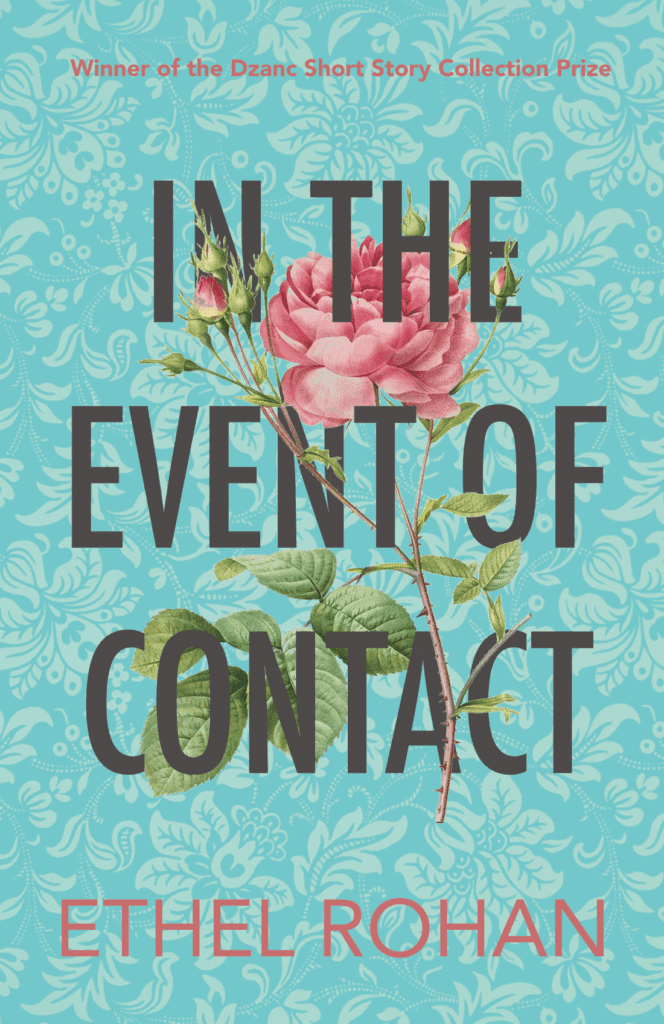
People are shaped by people. In In the Event of Contact (180 pages; Dzanc Books), San Francisco author Ethel Rohan cements this broad maxim into a specific and learned law of life via the host of complicated characters she creates in her fourteen stories. Each character navigates distinct anguishes, from irreparable guilt to insatiable longing to persistent disappointment, linked only by a home country of Ireland and the theme of human connection. The first story in the collection, after which the book is titled, introduces this theme in its most literal sense via Ruth, a character with a debilitating phobia […]

Continue Reading

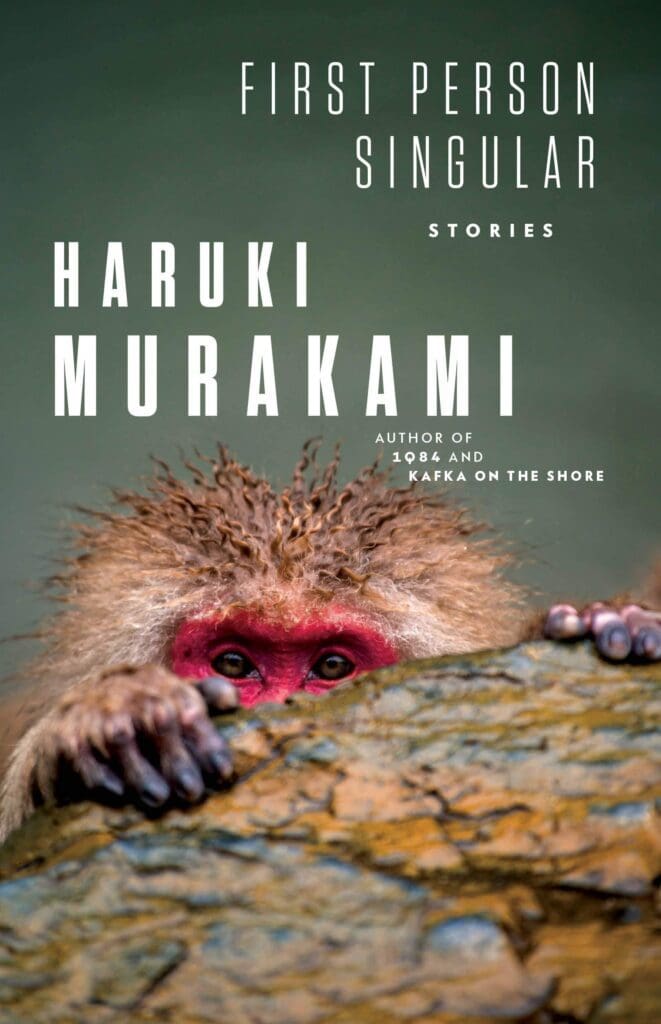
‘First Person Singular’ by Haruki Murakami: More than Meets the ‘I’

by Colton Alstatt

Superstar author Haruki Murakami has published twenty-three books (in English) since beginning his career as a novelist in 1978. In his strictly upward trajectory, full of merits and awards, he has not had much space for rumination. However, in his new story collection, First Person Singular (256 pages; Knopf), he channels 72 years of writing prowess into a series of mystery-dipped stories about youth, memory, and identity. Each begins with a distinct memory, an arresting one. “A dimly lit hallway in a high school, a beautiful girl, the hem of her skirt swirling, [holding] With the Beatles.” The speaker tunnels […]

Continue Reading

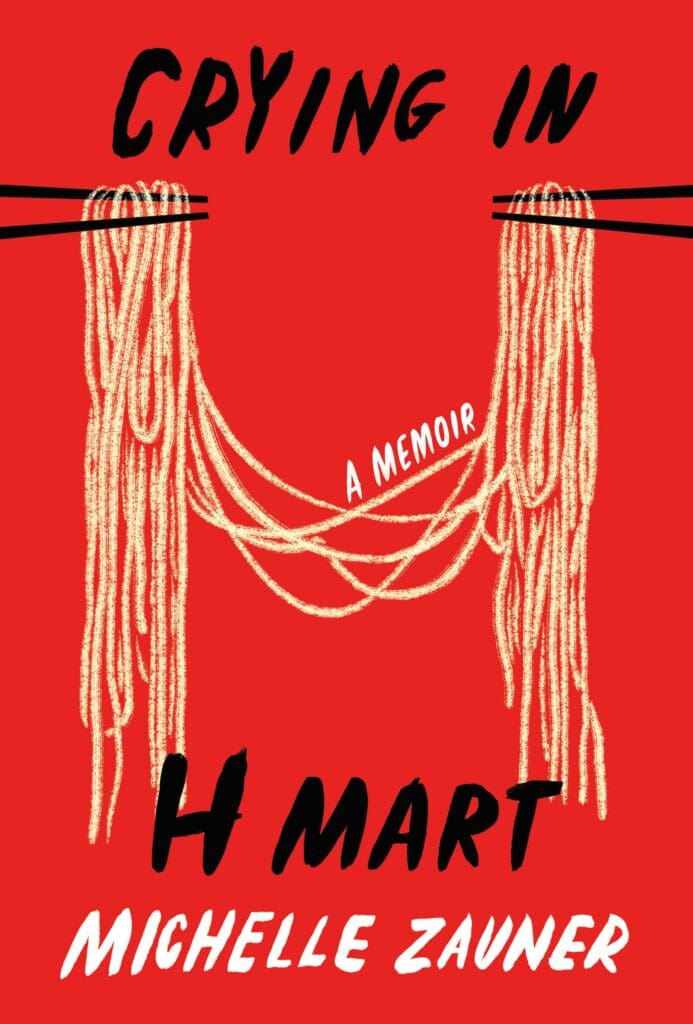
‘Crying in H Mart’ by Michelle Zauner: If Belief Were Real

by Ray Levy Uyeda

The chorus of “In Heaven,” the first track on Michelle Zauner’s first album as Japanese Breakfast, goes: Oh do you believe in heaven? / Like you believed in me / Oh it could be such heaven / If you believed it was real. The “you” and the “me” could be anyone, the “heaven” could be any utopia. But as revealed in Zauner’s memoir, Crying in H Mart (239 pages; Knopf), these lyrics were drafted in the aftermath of her mother’s death from pancreatic cancer and formed at a time when she was reckoning with her identity while caring for her […]

Continue Reading

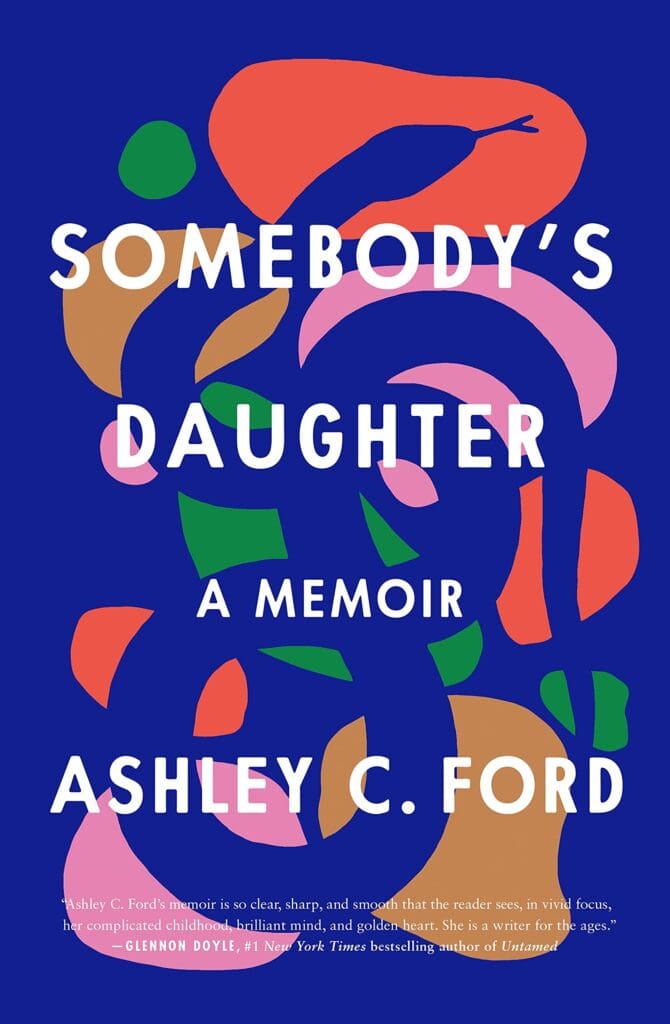
‘Somebody’s Daughter’ by Ashley C. Ford: Together Amidst the Flames

by Oriana Christ

From a young age, author Ashley C. Ford was taught that family is all you have and all you need, and for this reason you should love them and hold onto them, no matter what. In her memoir, Somebody’s Daughter (210 pages; Flatiron Books), Ford grapples with this maxim as she grows up with a single mother prone to violent fits of rage, and an absent father who has been incarcerated for as long as she can remember. Her childhood, which makes up about half of the book, is spent believing that she is fundamentally bad inside, while fearing her […]

Continue Reading

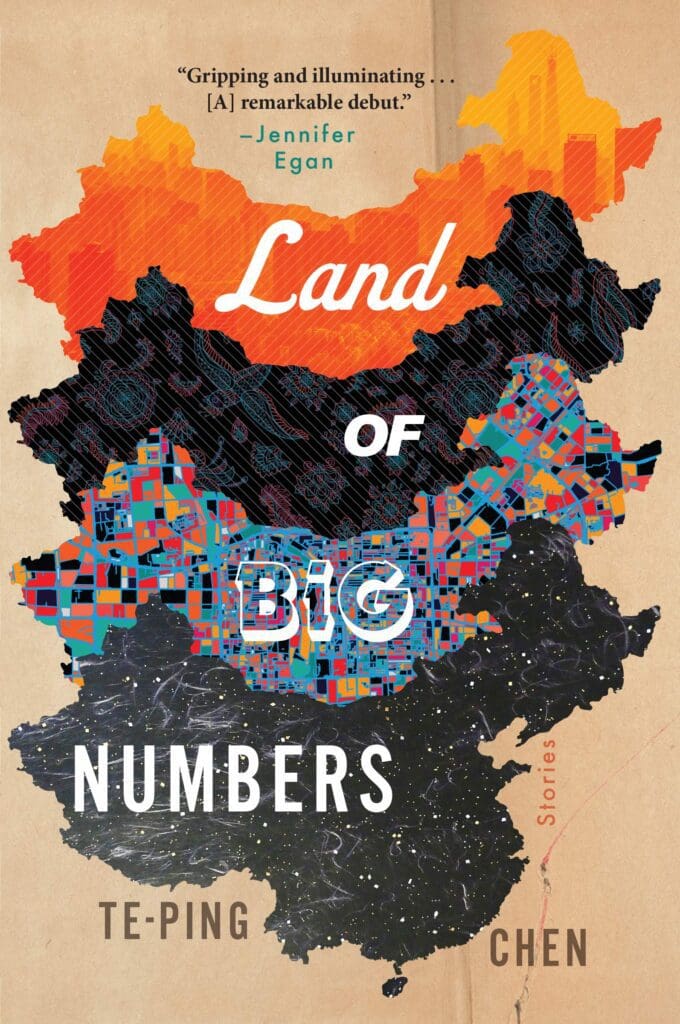
‘Land of Big Numbers’ by Te-Ping Chen: Mirror to the Nation

by Kyubin Kim

To the rest of the world, China often looks like a monolithic, vast “land of big numbers,” where its people are eclipsed by the country’s monstrous economic influence and the Communist Party. But in her first story collection, Land of Big Numbers (255 pages; Mariner Books), journalist and fiction writer Te-Ping Chen gives breath and form to those who may be overlooked. Written during Chen’s time as a China correspondent for The Wall Street Journal, Land of Big Numbers is a literary simulacrum of modern China and the agency of its people. Here, each fictional story holds a mirror to […]

Continue Reading

‘Mona’ by Pola Oloixarac: Life in Translation

by Owen Torrey

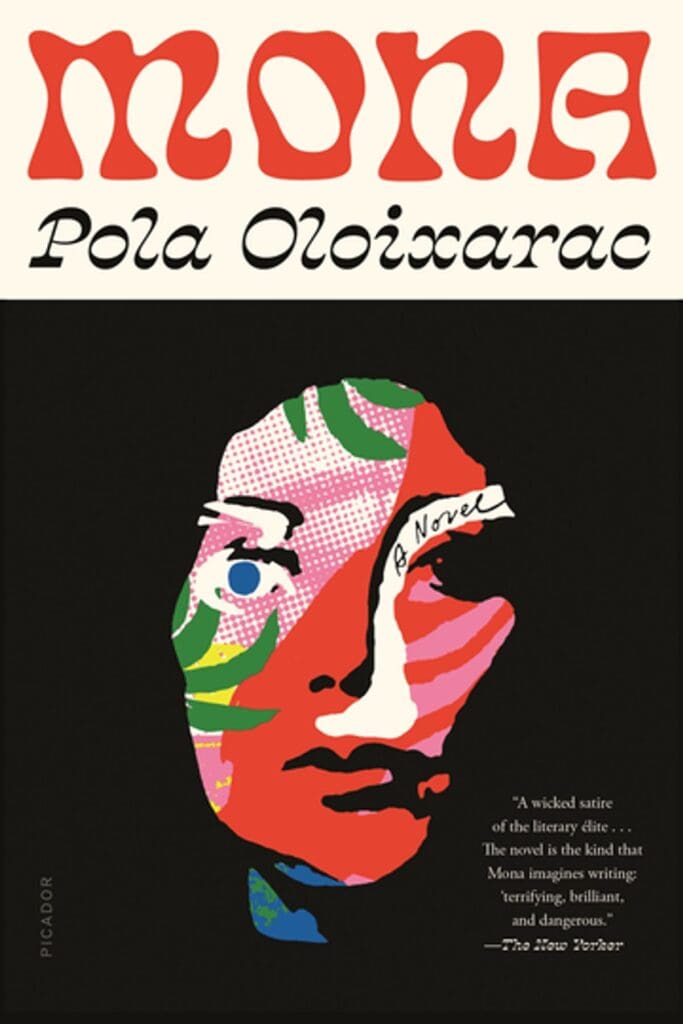
“The festivals are the real novels!” shouts the protagonist of Mona (192 pages; FSG Books), a new novel by Argentinian author Pola Oloixarac. Mona is one-whiskey-deep, standing in a pub in Sweden with a crowd of writers. Across the bar, a Latvian poet grabs a Finnish author, striking up a conga line. Mona orders a second whiskey and surveys the crowd. “They come to places like these thinking they’re writers,” she continues, “and end up leaving as characters.” The occasion for this evening’s celebration, as well as the novel as a whole, is the ceremony for the Basske-Wortz Prize: a […]

Continue Reading

‘Subdivision’ by J. Robert Lennon: The Missing Pieces

by Lily Nilipour

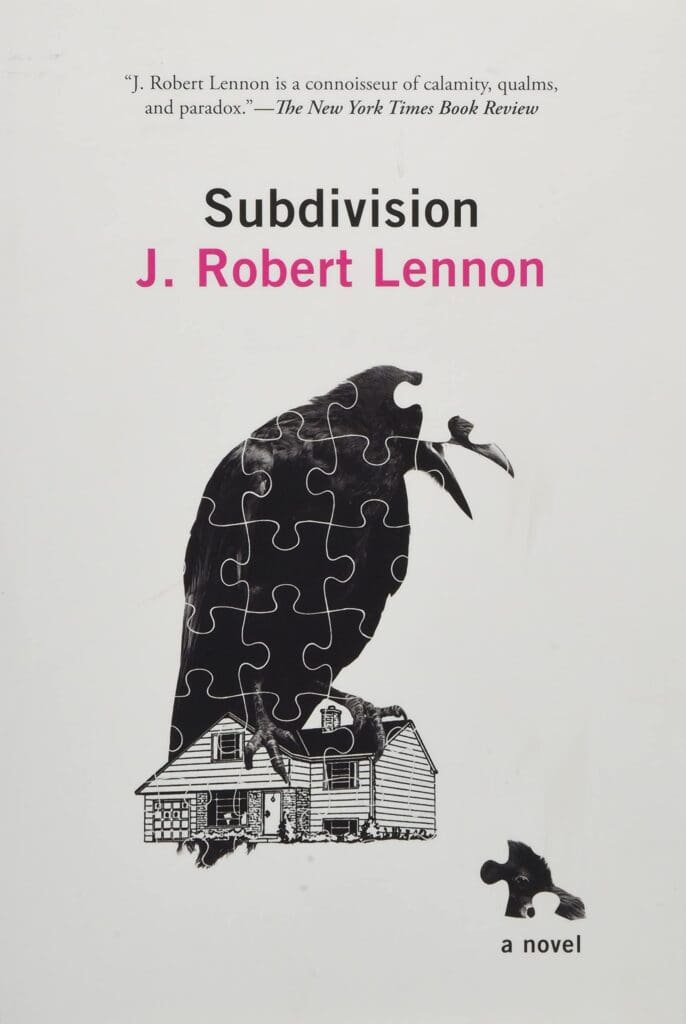
On the cover of J. Robert Lennon’s latest novel, Subdivision (256 pages; Graywolf Press), is a puzzle. A large crow sits on top of a quaint-looking house, and the whole image is fragmented into jigsaw pieces. Whoever has been working on this puzzle has almost completed it; just a single piece lays missing from the whole: the eye of the crow. But as we flip past the cover and set our eyes on the first page of the book, it becomes clear that Subdivision’s puzzle is just beginning—literally, as an unnamed narrator checking herself into a guesthouse is immediately invited […]

Continue Reading

‘Low Country’ by J. Nicole Jones: Lost Dreams, Anger, and Ghosts

by Ray Levy Uyeda

In every family there is an archivist. Someone to keep track of lost things, tales of victory and heartbreak, someone who can recall nearly-forgotten names. In author J. Nicole Jones’ family, that person was her grandmother, a woman who could fluidly weave a tale of home—Horry County, South Carolina. With her memoir, Low Country (230 pages; Catapult), Jones has succeeded in the role of family archivist, imploring us to see that the story of the Jones family is the story of South Carolina, and the story of J. Nicole Jones is the story of the women who preceded her. Low […]

Continue Reading

‘Why Didn’t You Just Do What You Were Told?’ by Jenny Diski: Seeing, Being, Naming

by Alana Frances Baer

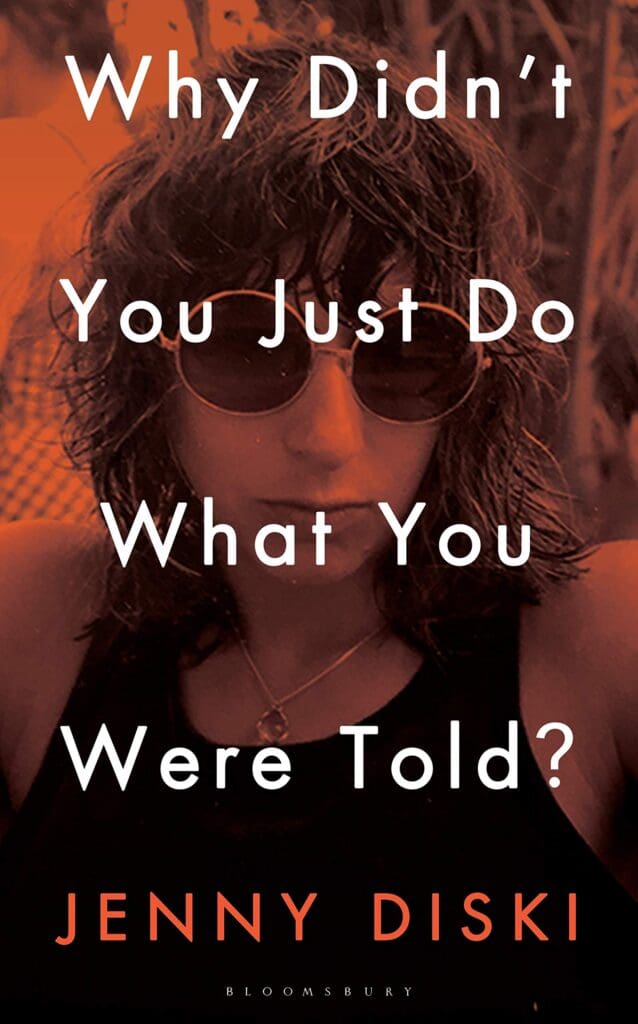
Jenny Diski’s posthumous collection, Why Didn’t You Just Do What You Were Told? (448 pages; Bloomsbury), consists of thirty-three essays, selected from the over two hundred the prolific British author wrote for the London Review of Books up until her death in 2016 at 68. Opening with a lighthearted account of a breakup and concluding with a humble meditation on her cancer diagnosis, the book synopsizes the inertia of life. Between those bookend essays are others that tend toward a topic-oriented approach that awards agency to her subject, rather than herself. Writing about Friedrich Nietzsche and his sister Elisabeth, Diski discerns […]

Continue Reading

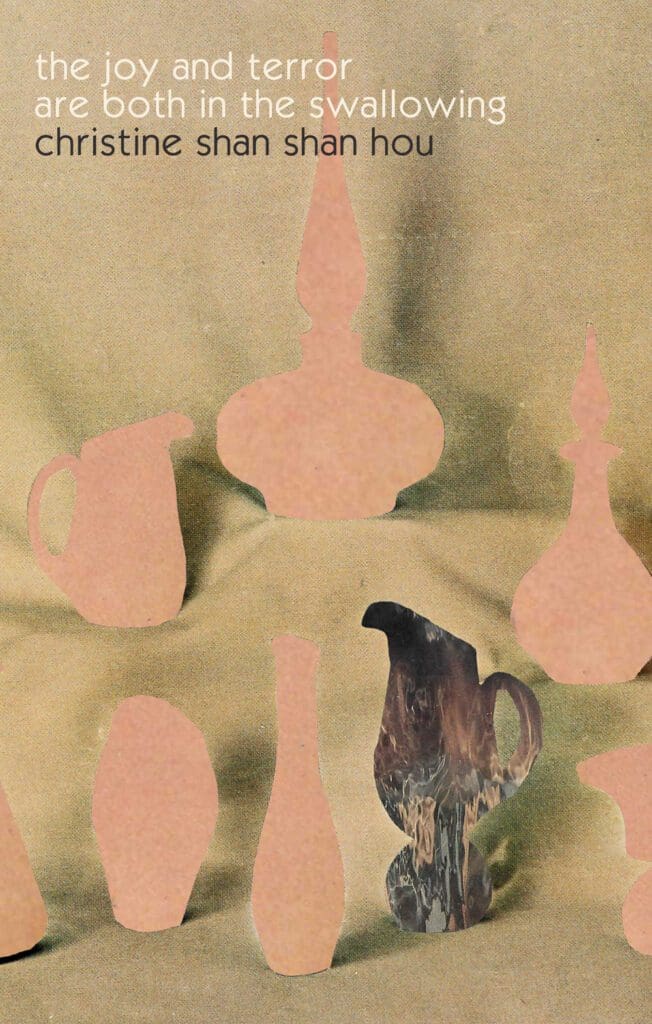
‘The Joy and the Terror Are Both in the Swallowing’ by Christine Shan Shan Hou: A Sword Down the Throat

by Lily Nilipour

Christine Shan Shan Hou’s poetry collection The Joy and Terror are Both in the Swallowing (92 pages; After Hours Editions) takes its title from a quote by American photographer Diane Arbus. It was a time when Arbus’ marriage was failing—a time when, as Anthony Lane writes in The New Yorker, she “was, like her mother before her, dragged into depression and sucked down, declaring, ‘The thing that sticks most in the throat and hurts the most is how easy it is. The joy and terror are both in the swallowing.’” Ten years later, in 1970, Arbus took a portrait of […]

Continue Reading

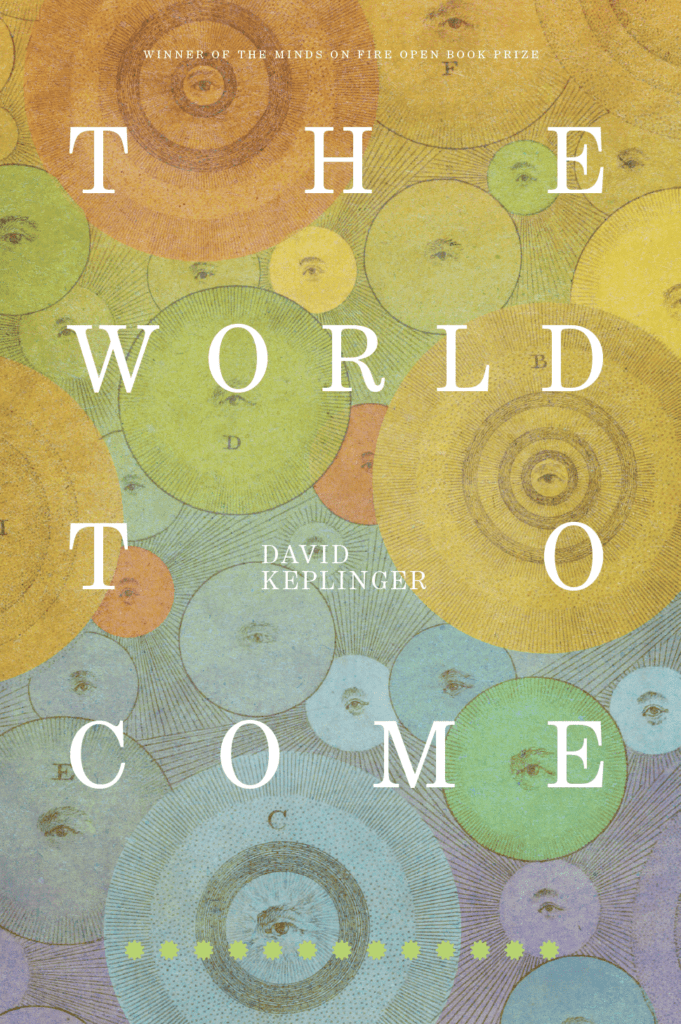
‘The World to Come’ by David Keplinger: The Beautiful in the Broken

by Ray Levy Uyeda

As if we have all understood and accepted that everything in the world has resonance, that our lives have begun many times over, and that the land and its creatures tell stories, David Keplinger’s newest poetry collection pinpoints what follows that understanding and acceptance. In The World to Come (106 pages; Conduit Books & Ephemera), Keplinger’s prose poetry plays with the liminal space between knowing and not knowing,investigating the universal, that which applies to us all, alongside the universal, or the literal universe and its planets. Winner of the Minds on Fire Open Book Prize, The World to Come is […]

Continue Reading

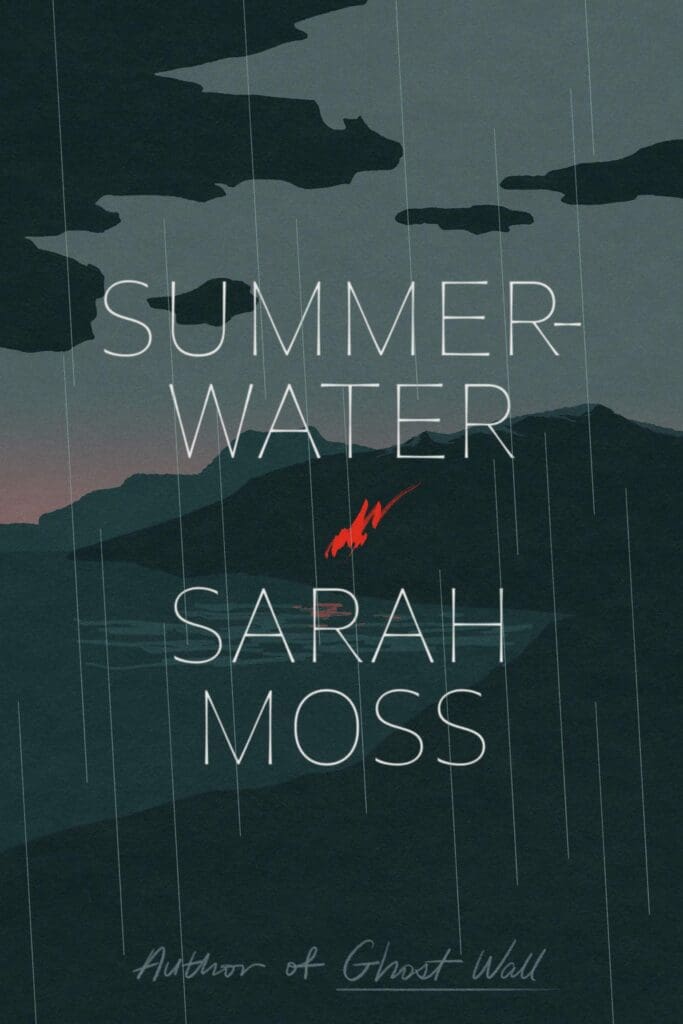
‘Summerwater’ by Sarah Moss: Mortality, Regret, and a Rained-Out Vacation

by Rayna Carey

Staying at a tourist campsite at a loch in Scotland, the different families of Sarah Moss’s Summerwater (203 pages; Farrar, Straus, and Giroux) have to contend with a day of heavy summer rain. Even though relatively little action occurs for most of Moss’s humorous and poetic novel, Summerwater’s narrative is driven by its various characters’ contemplations during the rainstorm. From frustrated teenage siblings to a little girl taunting a stranger to an elderly couple silently wrestling with the past, the diverse characters reveal themselves through their internal stream-of-consciousness dialogue as they contemplate mortality, regret, and marriage, as well as their […]

Continue Reading