‘Love is an Ex-Country’ by Randa Jarrar: An Unexpected Destination

by Kyubin Kim
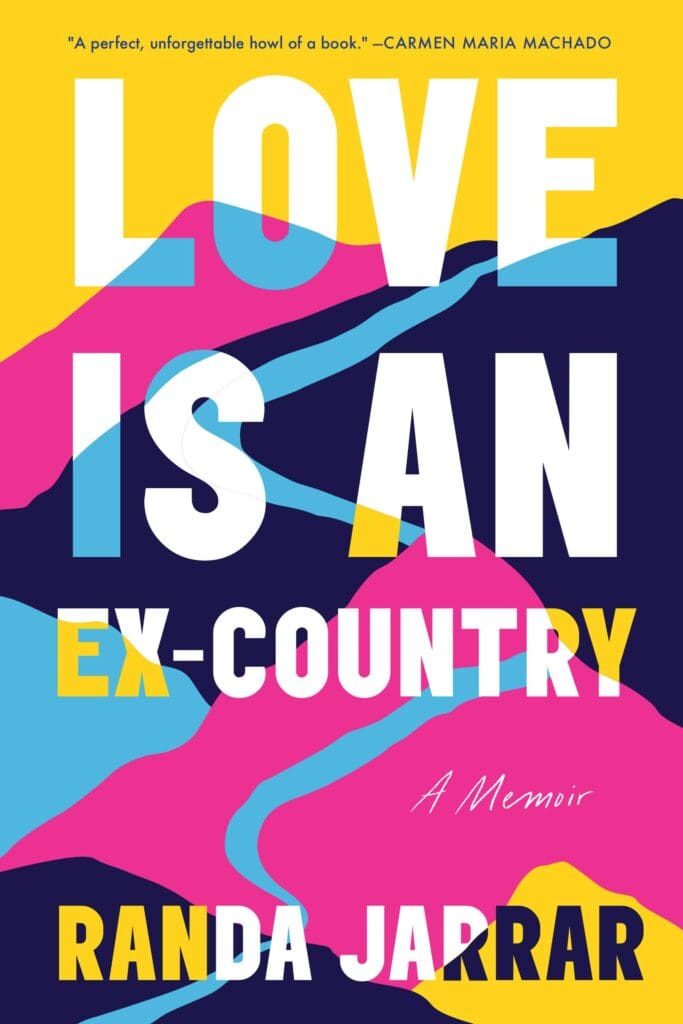
When we think of the American road trip novel, it’s easy to recall Jack Kerouac’s On the Road and the manic adventures of Sal Paradise and Dean Moriarty, traipsing from New York to San Francisco as carefree and self-destructive as white men in the Fifties were allowed to be. That was America for them. But Randa Jarrar’s road trip memoir, Love Is an Ex-Country (240 pages; Catapult), demands a re-landscaping of America for a queer Arab American woman. The road trip is not a linear starting point-to-destination; it’s an evolving struggle to claim and inhabit a home in a place […]

Continue Reading

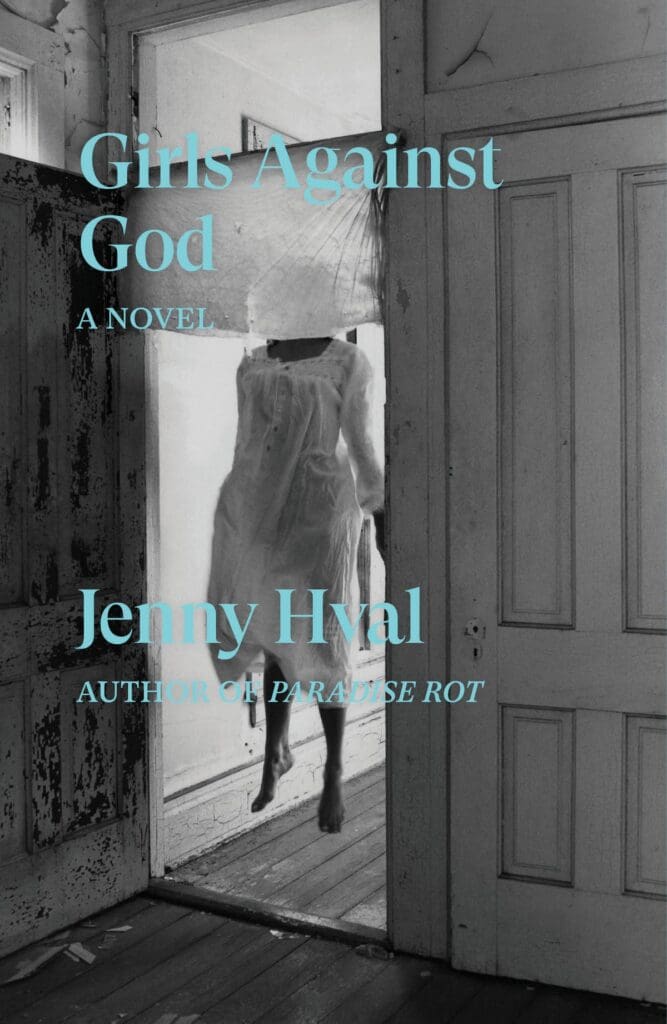
‘Girls Against God’ by Jenny Hval: Outside the Binary of Light and Dark

by Zack Ravas

By the late ’80s in America, the term “heavy metal” conjured the image of bands who were as well known for their big hair and backstage antics as their music. It’s little wonder then that the Norwegian “black metal” scene felt like something new, with its shrieking vocals and monolithic riffs, and restoring some of the danger associated with the genre ever since Black Sabbath released their debut LP in 1970. The dark and sadistic imagery many of these bands conjured on their albums (sample song titles: “Necrolust” and “Deathcrush”) wasn’t simply for show, however, and by the late ’90s […]

Continue Reading

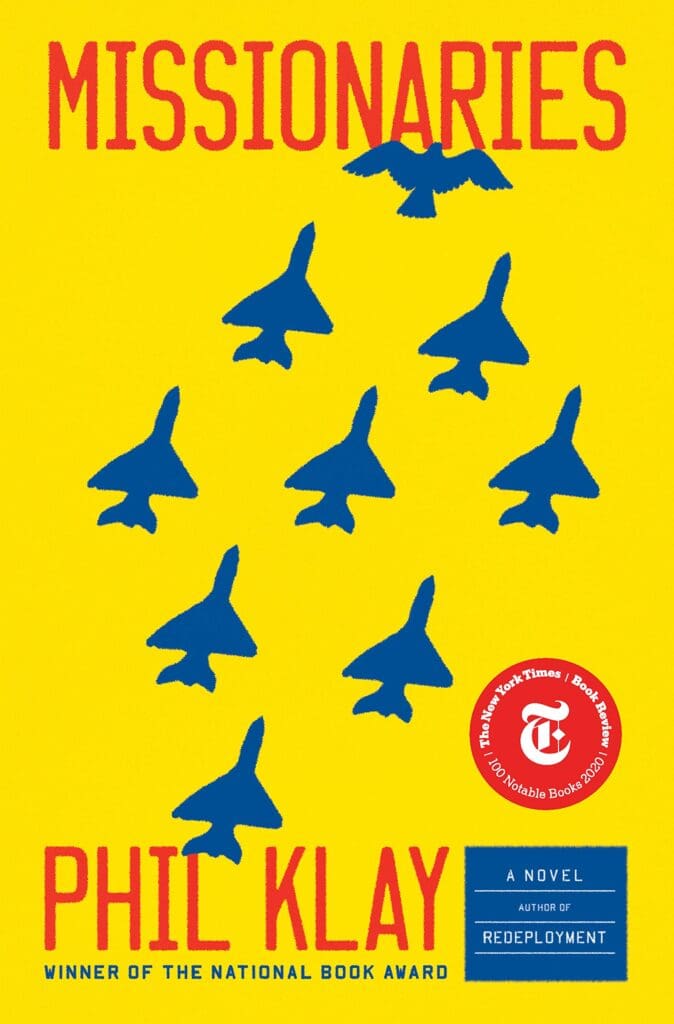
‘Missionaries’ by Phil Klay: The Cost of Indifference

by David Emmanuel

In an era of globalized conflict and widespread disinformation, all of which help fuel conspiracy theories and increasingly violent online factions, the world stage can appear given over to chaos. It is for precisely these reasons that Phil Klay’s most recent novel, Missionaries (404 pages; Penguin Press), feels so refreshing, as the author draws connections and finds meaning in the disorder. The plot largely takes place in Colombia and centers around the various factions (paramilitary groups, guerilla fighters, the Colombian government, and U.S forces) that strive to steer the country in the direction that best suits their own interests. Though […]

Continue Reading

‘Fragments from a Found Notebook’ by Mihail Sebastian: A Question of Identity

by Lily Nilipour

In 1934, anti-Semitic laws in Romania banned author, journalist, and critic Mihail Sebastian from continuing any of his writing or teaching work. He was in his twenties then, and he no longer had printing or publishing rights under his own name. Yet this did not stop the young writer from a prolific career before his untimely death in 1945. His most famous and important work—Journal, 1935-1944: The Fascist Years—is a chronicle of his own life during that period and the increasing persecution he faced as a Jewish man in Romania. Sebastian’s first book, Fragments from a Found Notebook (78 pages; […]

Continue Reading

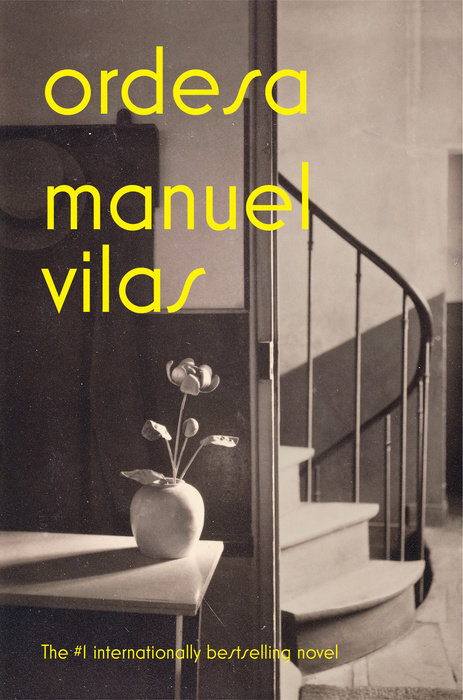
‘Ordesa’ by Manuel Vilas: An Assertion of Goodness

by Corinne Leong

Literature is subjective: on this, most can agree. A novel provides a snapshot of the author’s world, a distillation of their values and beliefs. But sometimes there arises a snapshot so striking and definitive it resembles the universal. Manuel Vilas’ Ordesa (304 pages; Riverhead Books; translated by Andrea Rosenberg) is one such novel. In its unflinching exploration of parental loss, mortality, and solitary life through the eyes of a 52-year-old, recently bereaved divorcé, Ordesa offers a perspective so earnest it approaches unquestionable truth. Vilas’ novel is structured around its unnamed narrator’s reflections on his current, abysmal state of affairs, as well […]

Continue Reading

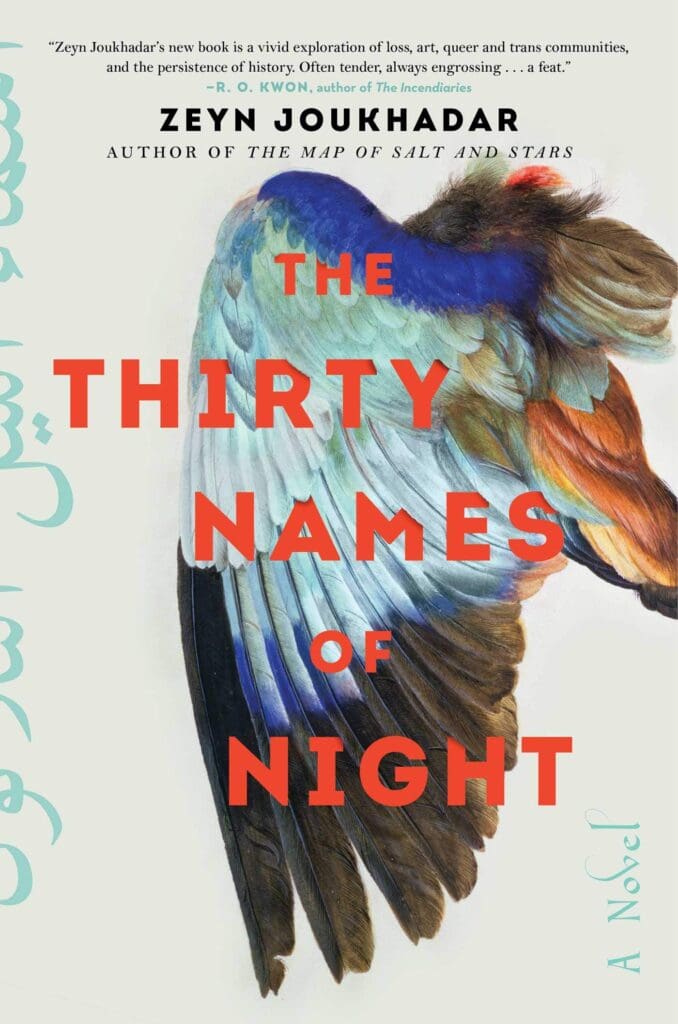
‘The Thirty Names of Night’ by Zeyn Joukhadar: At the Crossroads

by Nessa Ordukhani

In the heart of the once vibrant Manhattan neighborhood of Little Syria, towering murals of birds cover building walls. They are the artwork of a closeted Syrian American transgender boy, who finds that it is the only way he can paint since the death of his ornithologist mother. After one night of painting, the boy stumbles into an abandoned community center where he finds a leather-bound notebook hidden in the hollow cavity of a wall. It is a journal written by Laila Z, a famous Syrian American artist who mysteriously vanished over sixty years ago. Engrossed in Laila’s story, the […]

Continue Reading

‘This Radiant Life’ by Chantal Neveu: The Vast Expanse

by Lily Nilipour

Even in the sparest poetry, the words rather than the whiteness on the page are our focus; large spaces between phrases, lines, or stanzas create pause and generate the rhythm by which we read the language before us. The page is whittled away by the poet, revealing precious words in sculpted white space. But Chantal Neveu’s book-length poem This Radiant Life, newly translated by Erín Moure (210 pages; Book*hug Press), has a different and radical relationship to space. On many of the pages is just a single line of poetry centered in and surrounded by white. The page is no […]

Continue Reading

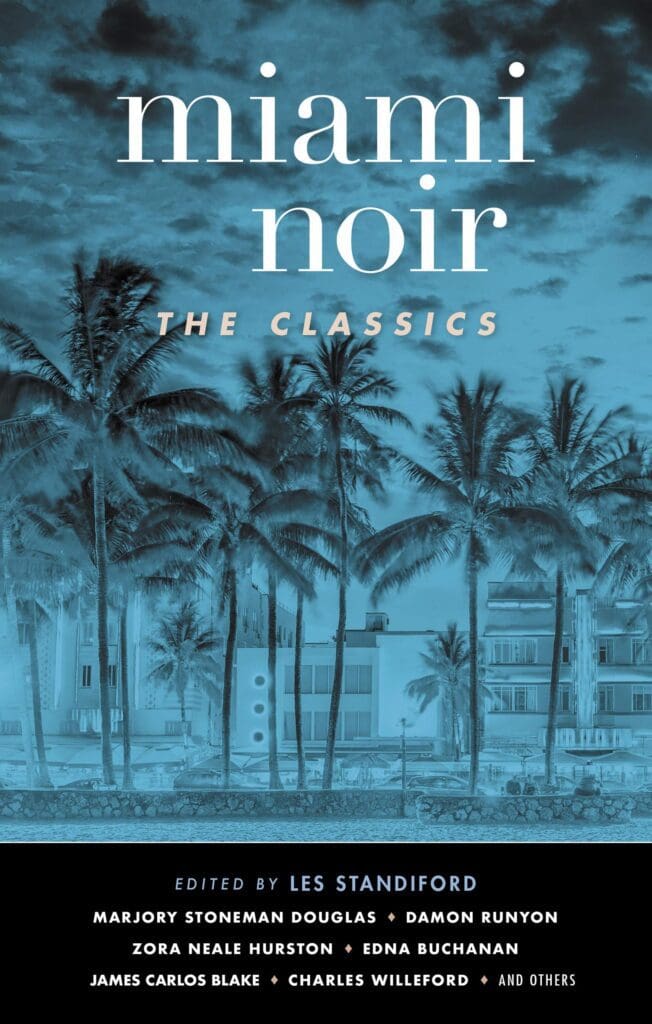
‘Miami Noir: The Classics’: A Rich and Sultry Landscape

by CJ Green

According to historian Paul George, Miami was first called the Magic City in the early twentieth century, not because of its beautiful sunsets and glistening waters, but to lure northerners to the humid, mosquito-filled swampland. “Like many Florida stories,” Connie Ogle once reflected in the Miami Herald, “there may have been a bit of a swindle involved.” Miami, like any paradise, often produces stories where the magical setting clashes against the more dubious characters within it. This tradition is displayed most recently in Miami Noir: The Classics (Akashic Books; 397 pages; edited by Les Standiford). Featuring 19 stories published between […]

Continue Reading

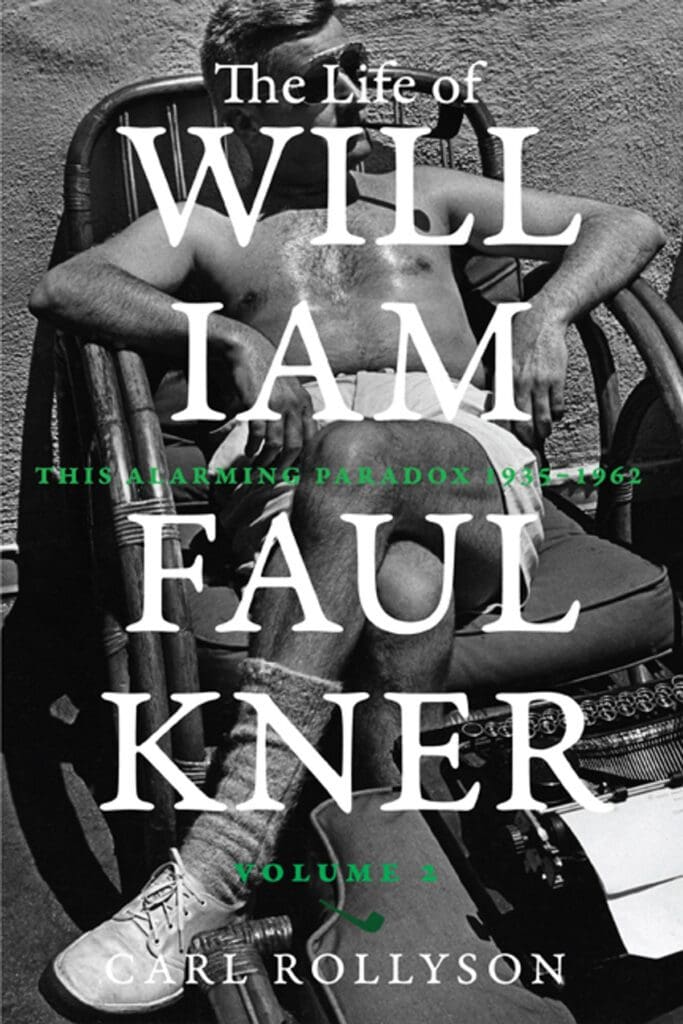
‘The Life of William Faulkner: This Alarming Paradox’ by Carl Rollyson: A Complex Portrait

by Nessa Ordukhani

Entrenched in Gothic drama and the history of the American South, William Faulkner’s writing remain a landmark in Modernist fiction. Pulitzer and Nobel prize winner, Faulkner is undeniably a giant of twentieth century literature. However, less well known, perhaps, is the life he led, the conditions he struggled with, and the contradictions of his own self-perception. Despite Faulkner’s aversion to biographies, in The Life of William Faulkner: This Alarming Paradox, 1935–1962 (Volume 2), (622 pages; University of Virginia Press), Carl Rollyson, seasoned biographer and Professor Emeritus at The City University of New York, produces a vivid sequel to the first […]

Continue Reading

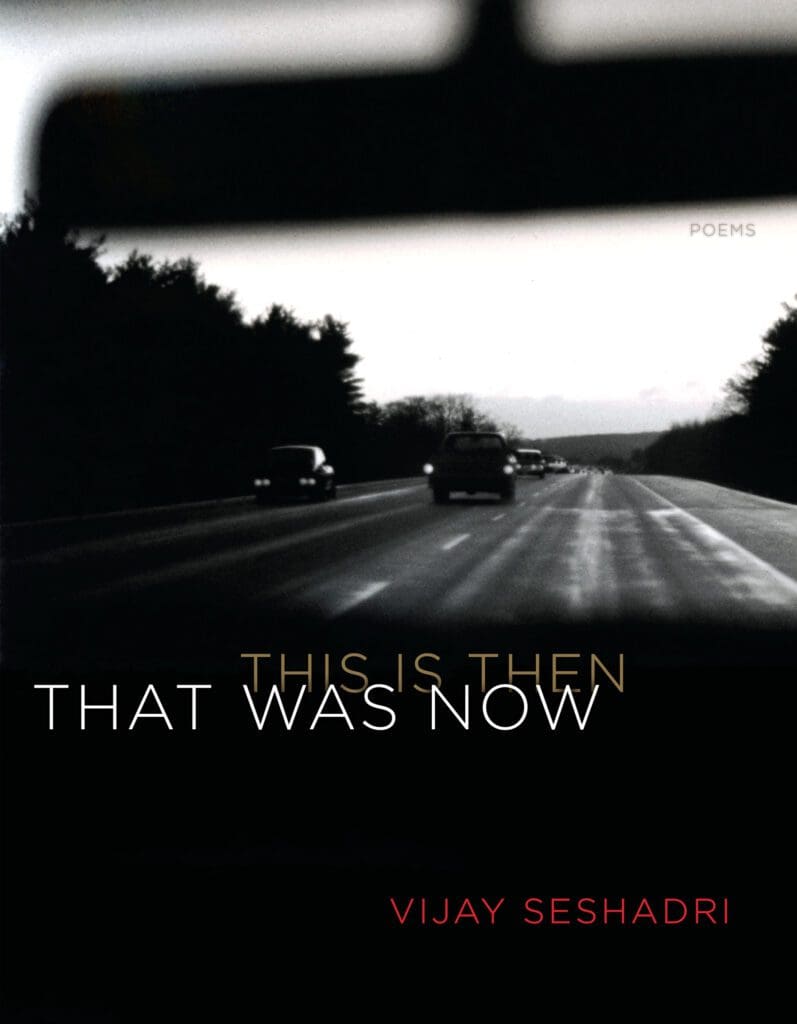
‘That Was Now, This Is Then’ by Vijay Seshadri: Irreverent Experiments with the Form

by Corinne Leong

Time seems to have become an alien concept in recent months. In this sense, That Was Now, This Is Then (Graywolf Press; 80 pages), the new collection by Pulitzer Prize-winning poet Vijay Seshadri, offers an uncanny relevance. It would be difficult to offer a faithful summary of the collection as even in its brevity, the book covers a stunning number of topics: from bereavement and the detriments of modernity to Hegel and robocalls. The poems strikes a rare balance of humor, poignancy, and intellectualism. Seshadri crafts a poetic narrative that obliterates any linear conceptions of time and human experience, armed with […]

Continue Reading

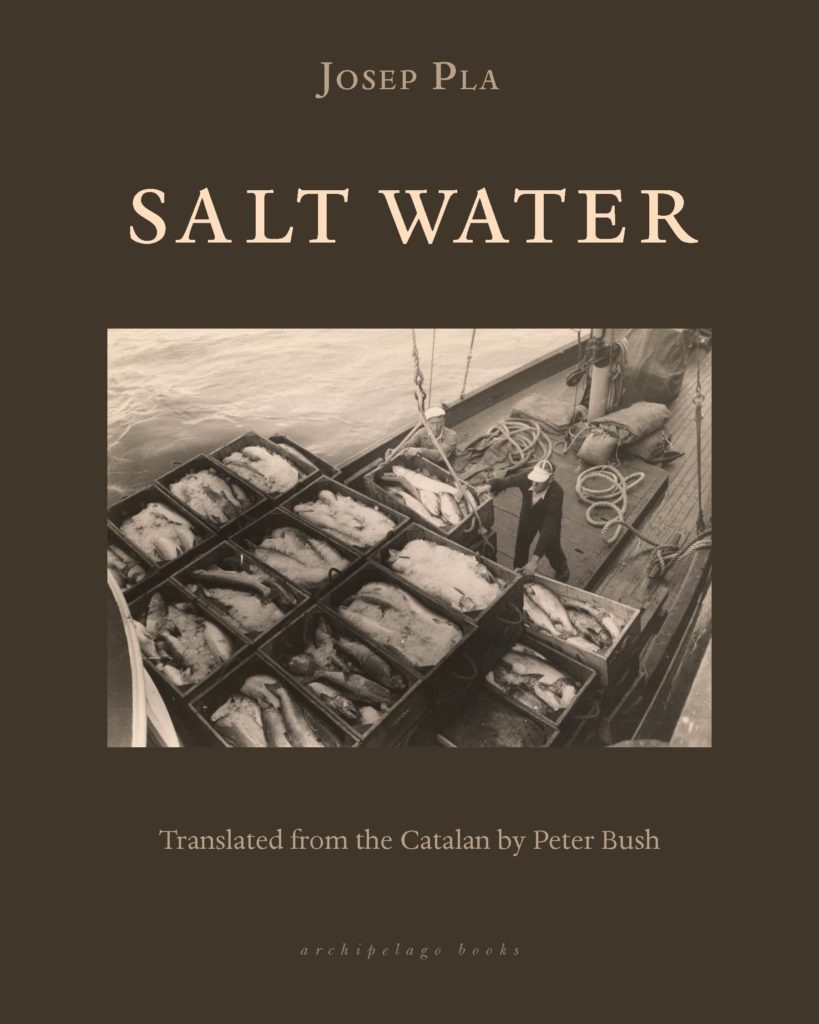
‘Salt Water’ by Josep Pla: A Dive Into the Mediterranean

by Colton Alstatt

Though Josep Pla earned a reputation as “the most important (and censored) prose writer in twentieth century Catalan literature” for his anti-fascist journalism, the late author admitted regret that his work kept him from fiction writing. In a 1966 preface to the recently re-published Salt Water (464 pages; Archipelago Books), Pla views the collection of connected and ostensibly nonfiction pieces  written in his youth as “evidence of [his] potential, of what [he] might have achieved.” Considering that this  was a lie meant to subvert Franco’s fascist censors, and Pla actually wrote these short stories while in his fifties, Salt Water […]

Continue Reading

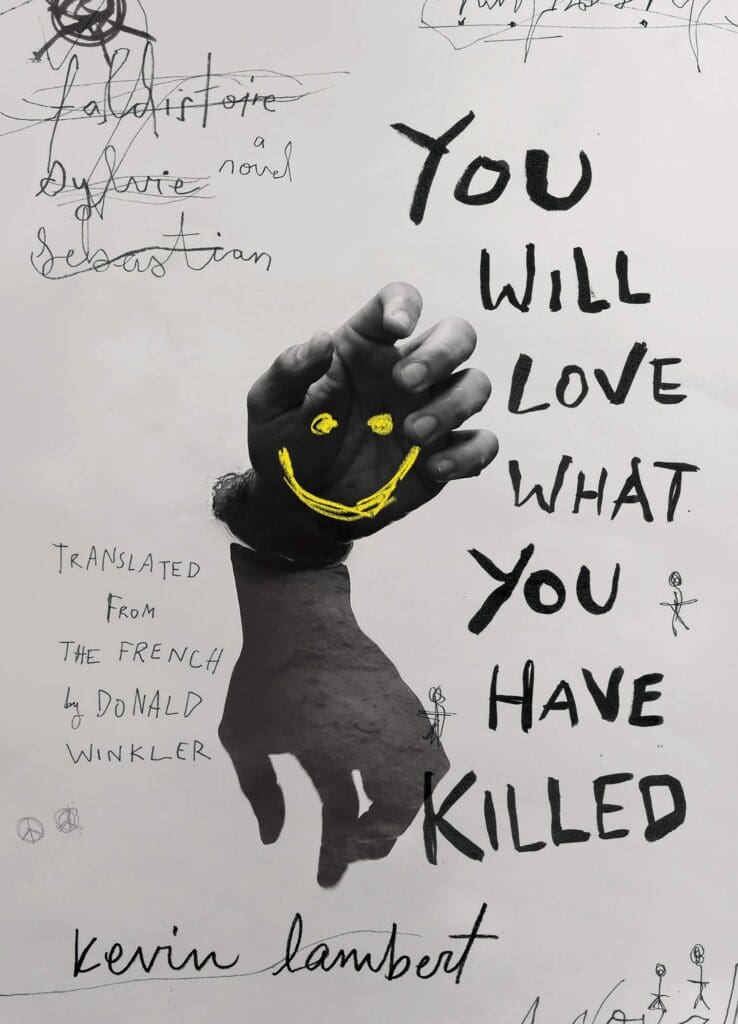
‘You Will Love What You Have Killed’ by Kevin Lambert: Rip It Up and Start Again

by Zack Ravas

While involved in the Free Speech Movement at Berkeley during the Sixties, activist Jack Weinberg became famous for coining the phrase, “Don’t trust anyone over 30”; few novels personify his quote as sharply as You Will Love What You Have Killed (185 pages; Biblioasis International; translated by Donald Winkler), the first novel by Canadian Millennial author Kevin Lambert. The story is set in Chicoutimi, a small French-speaking town in Quebec where children more often than not end up dead at the hands of their elders. On the surface, Chicoutimi is a town that appears like any other—with its glad-handing politicians, […]

Continue Reading