‘Beautiful Things: A Memoir’ by Hunter Biden: A Document of Addiction and Redemption

by Joseph Holsworth
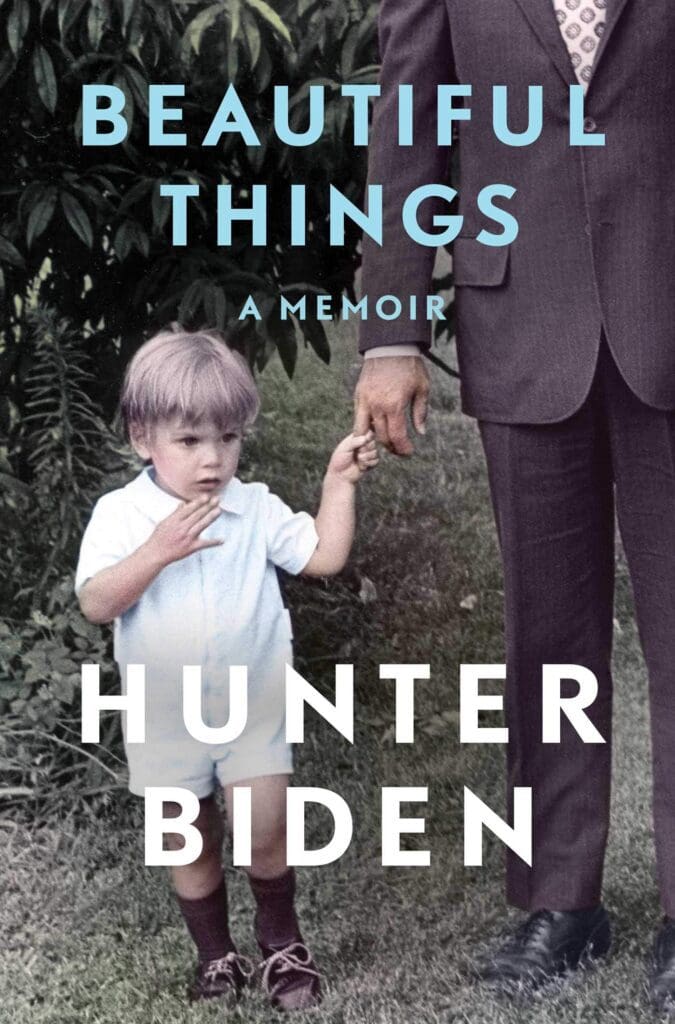
“I’ve smoked more cheddar popcorn than anybody on the face of the earth.” This line from Hunter Biden’s new memoir catches him at the lowest of lows. At this point in his decades-long addiction, he’s scrounging around for drugs, desperately searching between the seats of his car for anything resembling crack. His favorite snack food left flaky little pieces that to his addict’s eye looked just like rocks. Hunter Biden’s memoir, Beautiful Things: A Memoir (272 pages; Gallery Books/Simon & Schuster), is written with the acumen and craft of a born writer. This book is not the typically pointless and […]

Continue Reading

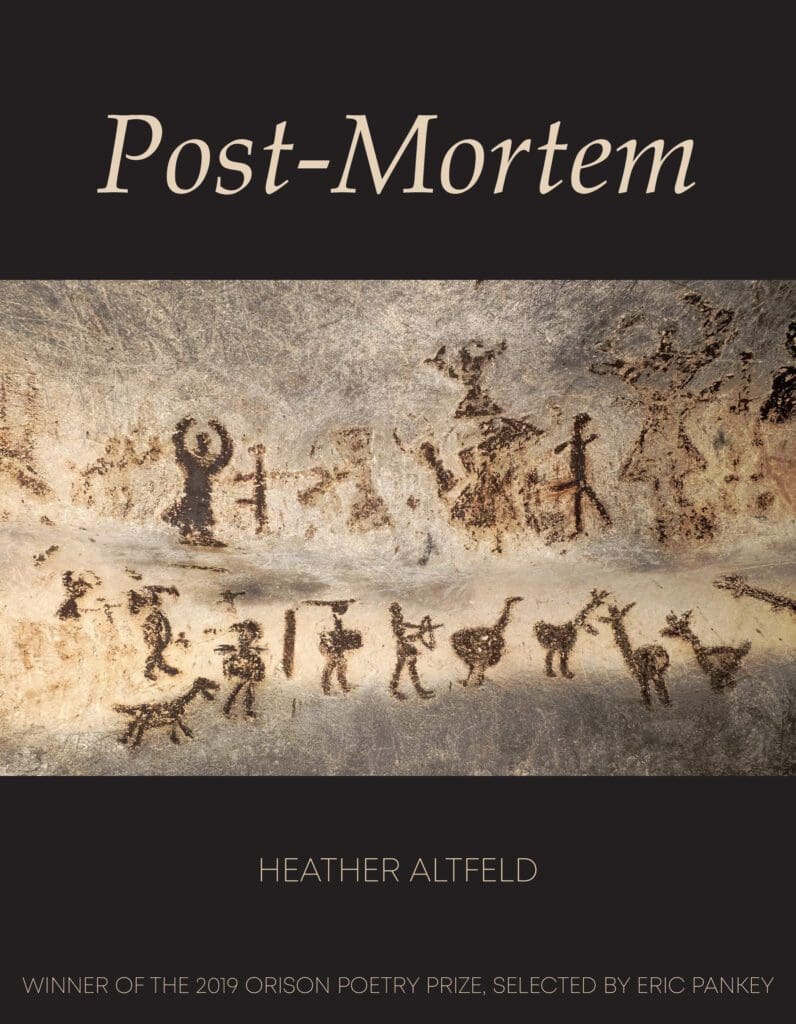
‘Post-Mortem’ by Heather Altfeld: The Complexity of Loss

by Meryl Natchez

There is a custom in the Jewish tradition called Kaddish, which includes saying aloud the names of the dead. The idea is that they live again for that brief moment when their name rings in the air. I thought of this while reading Heather Altfeld’s new book, Post-Mortem (100 pages; Orison Books), which details the complexity of loss we all know about but rarely speak of: the death of languages of indigenous peoples, of species, of the earth. Though the tone of the book is elegiac and it’s not light reading, the specificity and detail in these poems often make […]

Continue Reading

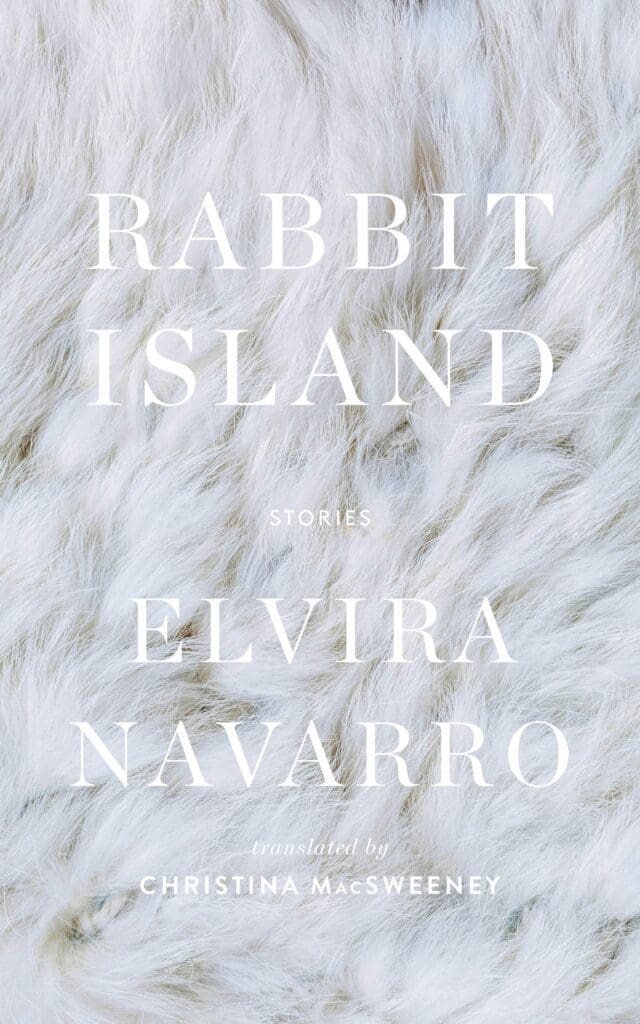
‘Rabbit Island’ by Elvira Navarro: Masterful and Strange

by Lily Nilipour

In “Strychnine,” the second story of Elvira Navarro’s collection, Rabbit Island (164 pages; Two Lines Press; translated by Christina MacSweeney), an unnamed narrator wanders an unnamed city while struggling to write a story—her story. The only thing she can decide on is a style: “She wants to enter this aura of serene iciness she has just imagined, which is also the tone she wants for her text.” But the narrator’s project becomes hindered by the growth of a strange protrusion from her right ear–a paw with toes that have small mouths. The paw hangs painfully from her earlobe, garnering sideways […]

Continue Reading

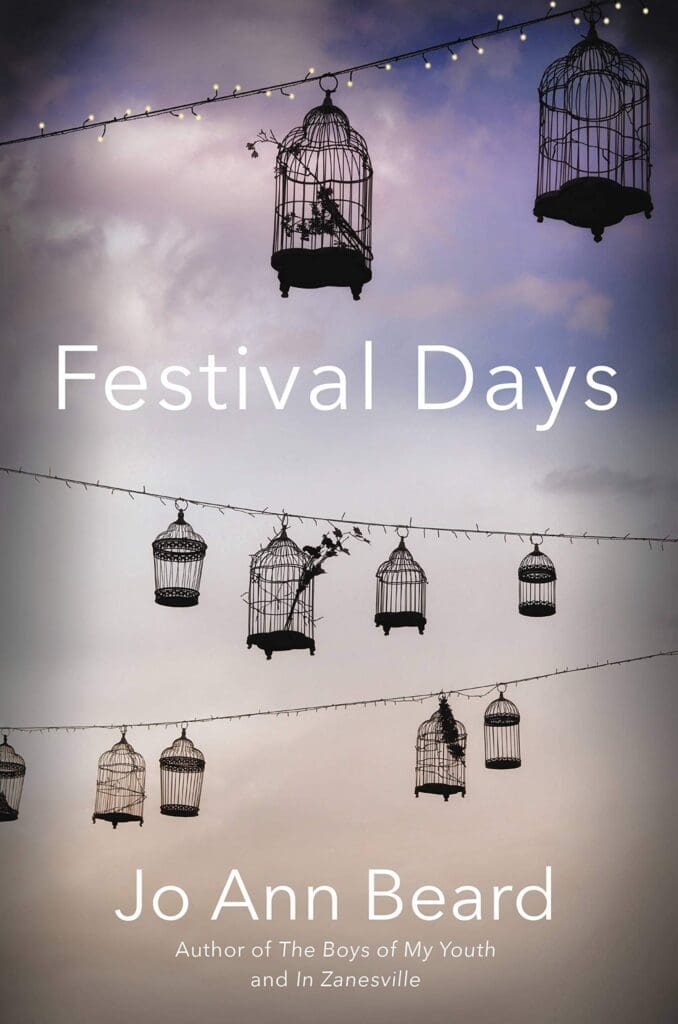
‘Festival Days’ by Jo Ann Beard: Bright Illuminations

by Michelle Latiolais

Consciousness. One of science’s big questions. What is consciousness? But we have been writing consciousness for thousands of years now, and one of America’s most miraculous writers has just given us a second collection of essays so brilliantly perceptual that the writing is—for all intents and purposes—neurological. The visual tapestry is so vivid, so rich, one forgets one is in the medium of language. Take almost any image or detail in a Jo Ann Beard piece and follow its pathways, its firings, its bright illuminations, its quieting into a kind of shade thrown across the entire essay—it is a map […]

Continue Reading

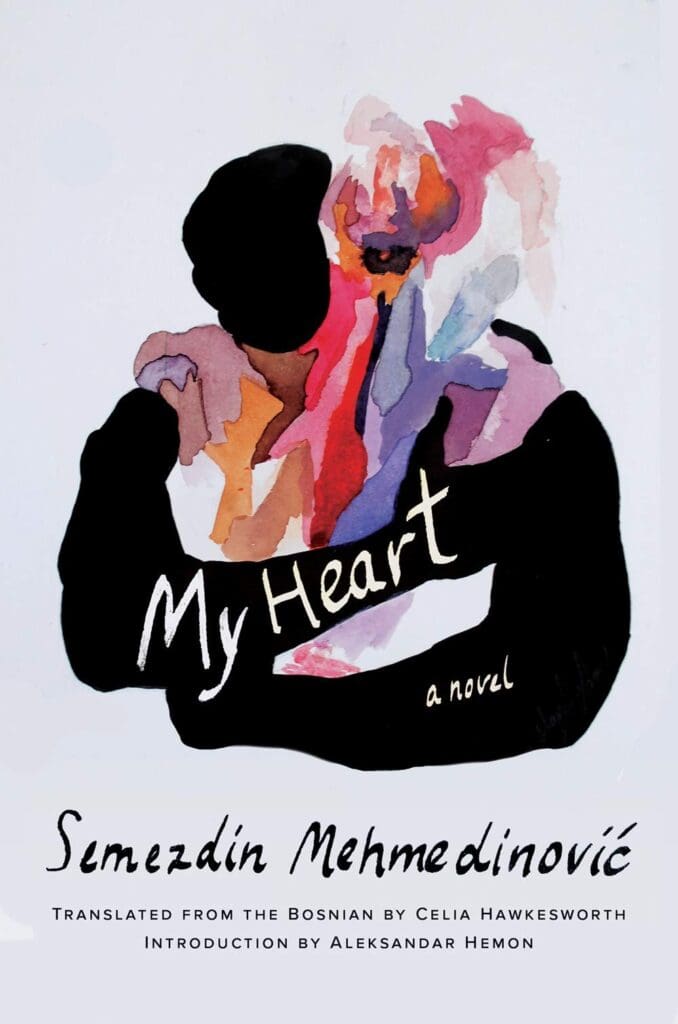
‘My Heart’ by Semezdin Mehmedinović: Matters of Life and Death

by CJ Green

People say that when you have a child, it’s like your heart has left your body and begins walking around on its own. This idea came to mind reading Semezdin Mehmedinović’s novel My Heart (225 pages; Catapult; translated by Celia Hawkesworth). It begins with a heart attack that sends the protagonist into an eloquent, existential spiral, after which his priorities become increasingly clear to him. “Since I passed fifty,” he explains, “I know that everyone dies young.” The overall effect is of a camera sharpening: the background noise gives way to a crisp foreground, the local details of love and […]

Continue Reading

‘A Swim in a Pond in the Rain’ by George Saunders: An Impassioned Introduction

by Colton Alstatt

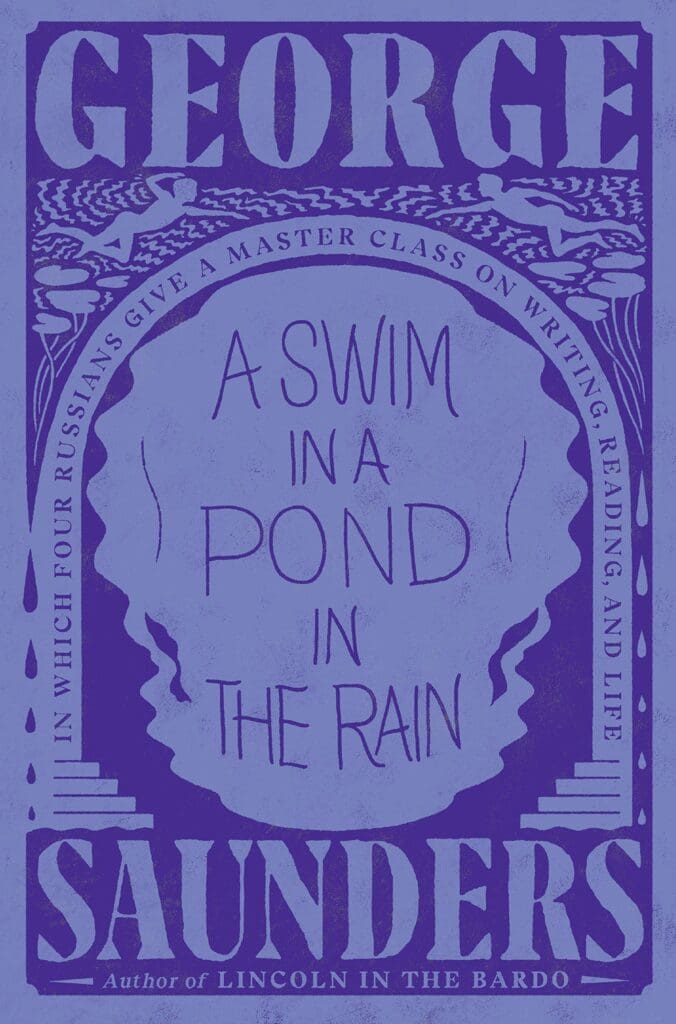
George Saunders’ A Swim in a Pond in the Rain (432 pages; Random House) is a warm introduction to the Russian masters of literature—warm as a house party: “Reader, meet my friends Tolstoy, Chekov, Gogol, Turgenev. Russian masters, meet my reader.” Using his experience teaching stories by these authors, Saunders is a generous guide inspired by his love of the short story, whether masterful or imperfect. As he scans the seven stories included in his book, Saunders has fun as he works for ways a prospective writer might create similarly enigmatic stories. Neither inefficient nor blocky, these discussions are the […]

Continue Reading

‘How Beautiful We Were’ by Imbolo Mbue: A Vast Landscape

by Owen Torrey

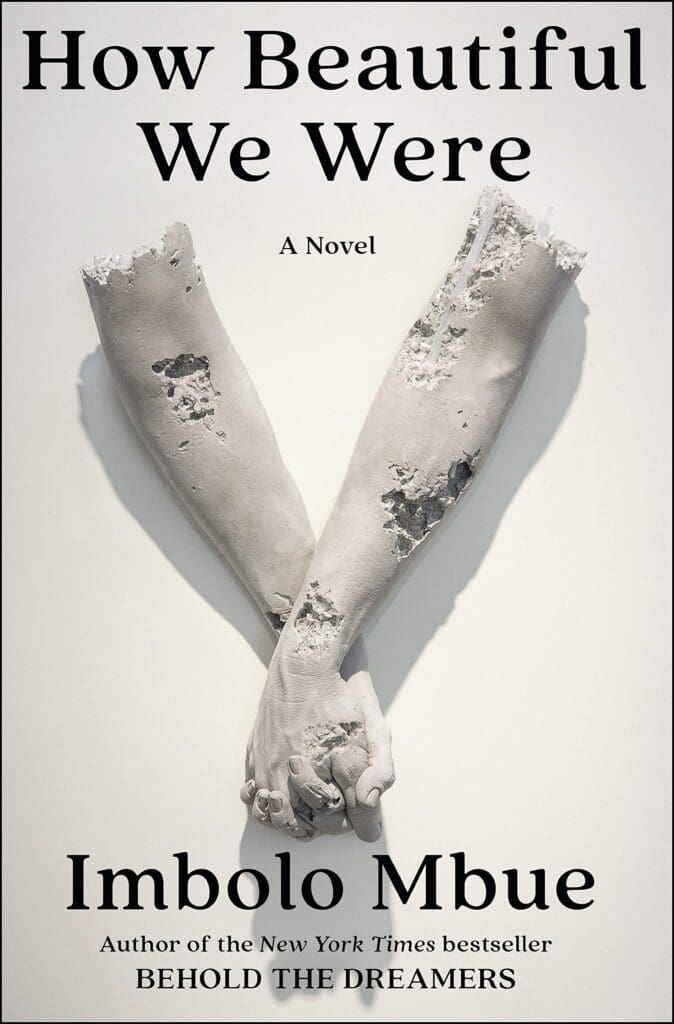
In one telling, the story might begin here: the children started getting sick, and nobody knew why. At first, two died within a month. Before long, several more got feverish, then stopped being able to speak, and, soon after, to breathe. Surely, it was said, there must be a common cause. But what was shared between these children? Only the irreducible things: the ground they walked over, the air they breathed, the water they drew from the village well—right where the pipelines ran. When Imbolo Mbue’s second novel How Beautiful We Were (364 pages; Random House) begins, these things have […]

Continue Reading

‘Popular Longing’ by Natalie Shapero: To Remain in This Life

by Owen Torrey

At the Isabella Stewart Gardner Museum in Boston, you can see a picture frame with nothing in it. The frame is nice enough: gold and engraved, waiting in a light-filled room on the second floor of the gallery. In this spot, in 1990, two men smashed the glass of Rembrandt’s The Storm on the Sea of Galilee before cutting the canvas out of its stretcher and leaving with the stolen work in tow. The painting hasn’t been seen since. Still, the museum keeps the frame hanging: a symbol of its awaited return. In the longest poem in Popular Longing, the […]

Continue Reading

‘Let Me Tell You What I Mean’ by Joan Didion: Telling Things As They Are

by Zack Ravas

In times of crisis, we often look to the voice that is calm, rational, not prone to high emotion; perhaps it’s fortuitous, then, that a year into the global pandemic we’re receiving a new book from Joan Didion, one of our most controlled stylists—a writer known for her careful, neutral tone, and one who can observe an incident and report her findings with a precision that often belies the extremities of her subject matter. It’s right there in the title of this latest collection: Let Me Tell You What I Mean (149 pages; Knopf)—would readers really expect Didion to do […]

Continue Reading

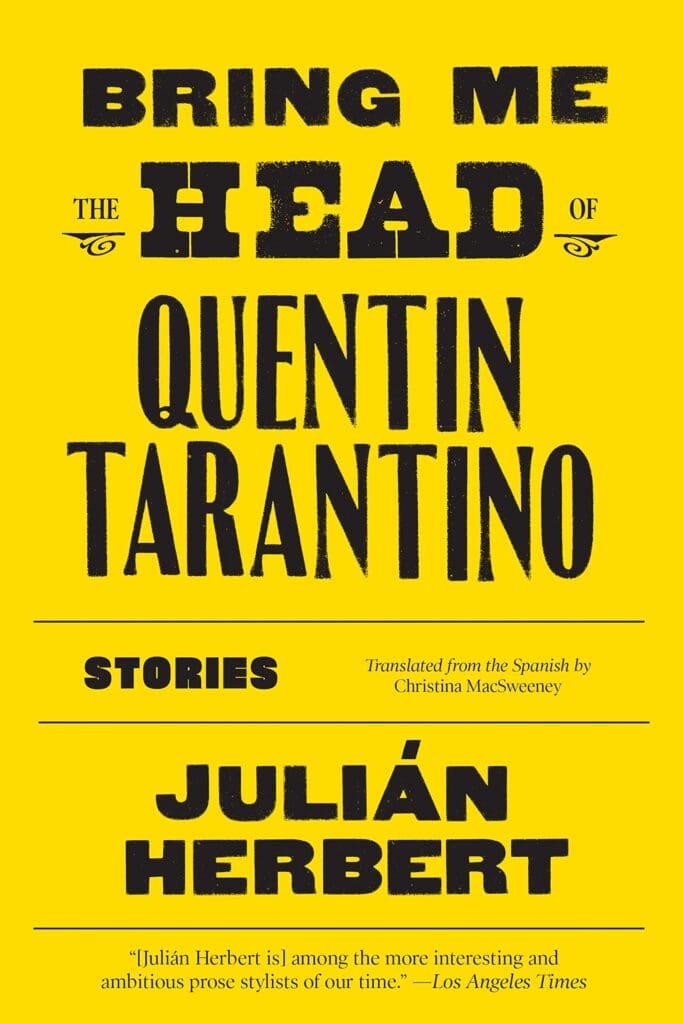
‘Bring Me the Head of Quentin Tarantino’ by Julián Herbert: The Inevitability of Influence

by David Emmanuel

It’s no surprise that Julián Herbert’s story collection, Bring Me the Head of Quentin Tarantino (167 pages; Graywolf Press), features a cast of questionable characters, gory violence, and punchy dialogue—all are hallmarks of the eponymous screenwriter’s films. Within the collection, the profane becomes sacred and the sacred is made profane: a Mexican official throws up on Mother Teresa, a photographer films “gonzo-porno-AIDS movies,” and a journalism professor masquerades as author M. L. Estefania. As diverse as the lives and professions of these characters are, they are all Mexican men who are seeking a better life by traveling outside the bounds […]

Continue Reading

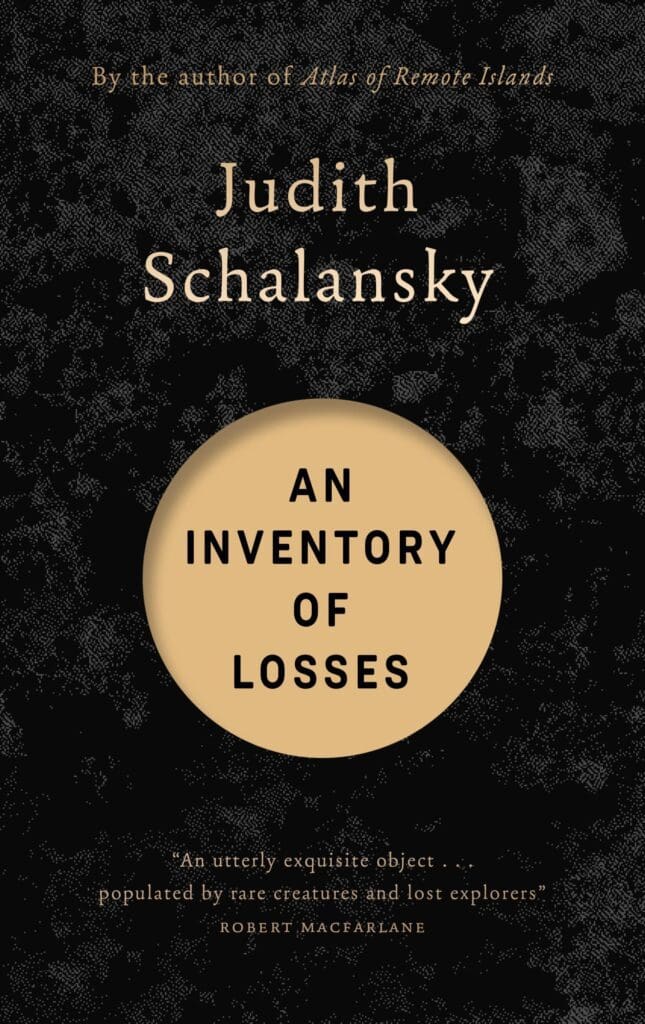
‘An Inventory of Losses’ by Judith Schalansky: The Innumerable Items of the Past

by Lily Nilipour

In the human endeavor of preservation, there is an intimate relationship between memory and those tasked with preserving it. In his essay “Between Memory and History: Les Lieux de Mémoire,” French historian Pierre Nora writes that “today…professional archivists have learned that the essence of their trade is the art of controlled destruction.” Among other things, this suggests that a true archivist has a love for not only what remains in the archive, but also what is lost. Memory is an art—the artist the recaller but also the forgetter. Judith Schalansky’s An Inventory of Losses (238 pages; New Directions), newly translated […]

Continue Reading

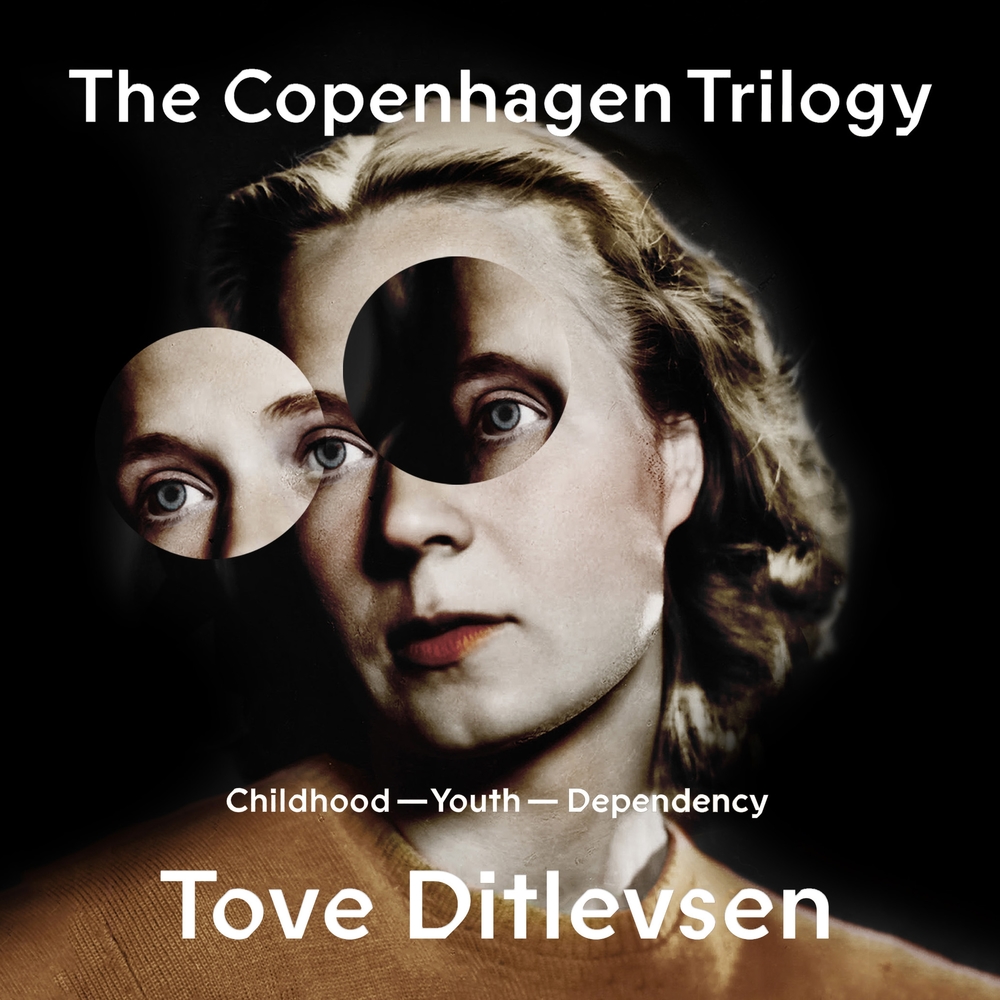
‘The Copenhagen Trilogy’ by Tove Ditlevsen: What Goes On Inside Other People

by Owen Torrey

When Tove Ditlevsen died in 1976 from an overdose of sleeping pills, thousands gathered in Copenhagen for her funeral. There, beneath the chestnut trees, a crowd followed Ditlevsen’s coffin, remembering her life and legacy as one of the country’s most celebrated literary figures. In Denmark, Ditlevsen has since remained just as beloved as she was on that late March day. One of her novels, 1943’s Barndommens Gade, was voted a “Danish Book of the Century,” and her poetry and memoirs continue to be taught as part of the mandatory national literature curriculum. In the English-speaking world, however, chances to encounter […]

Continue Reading